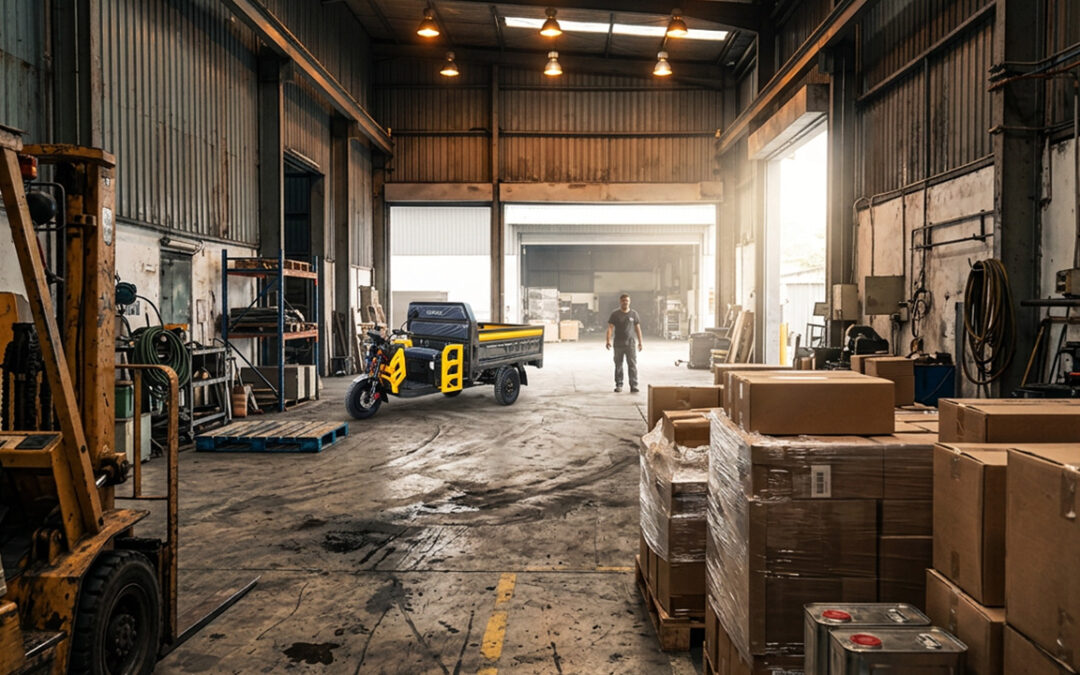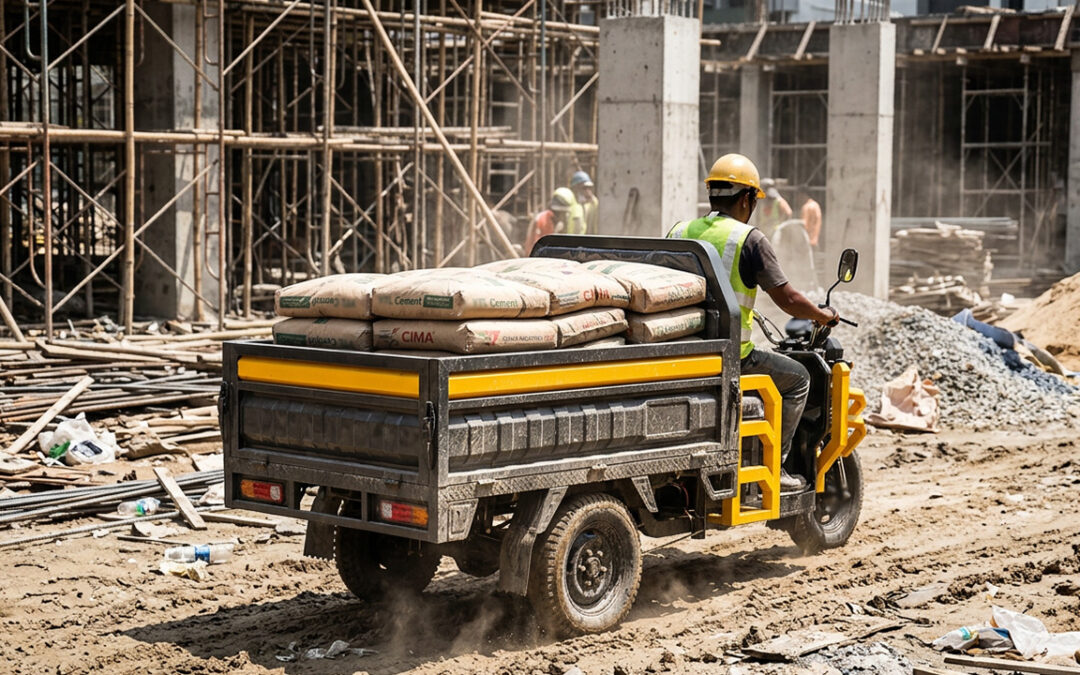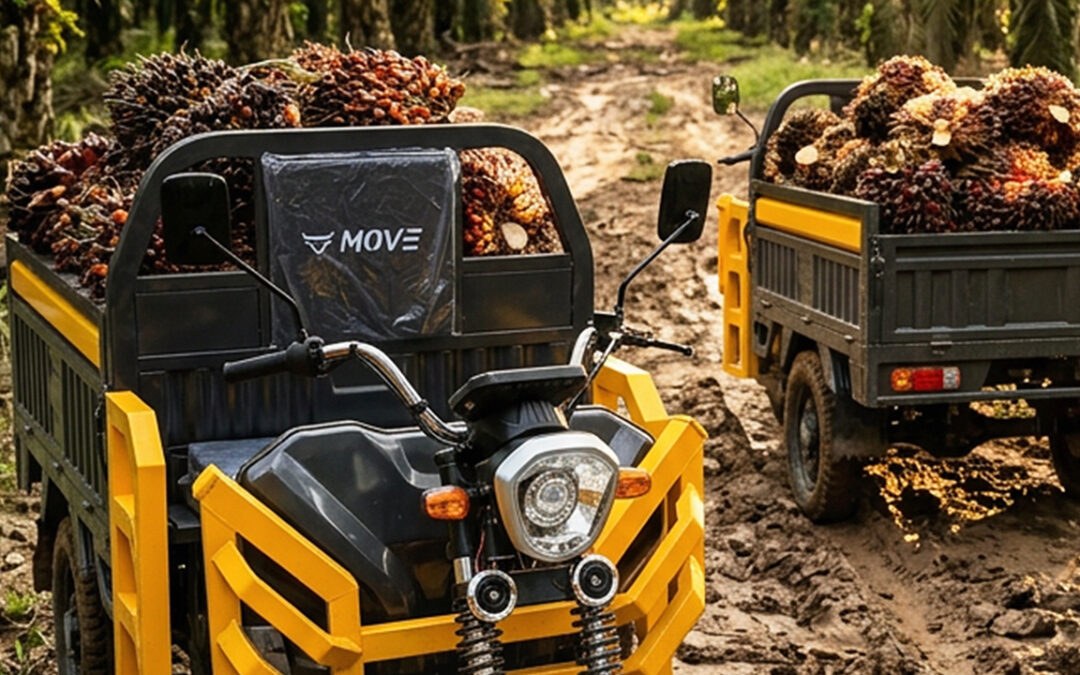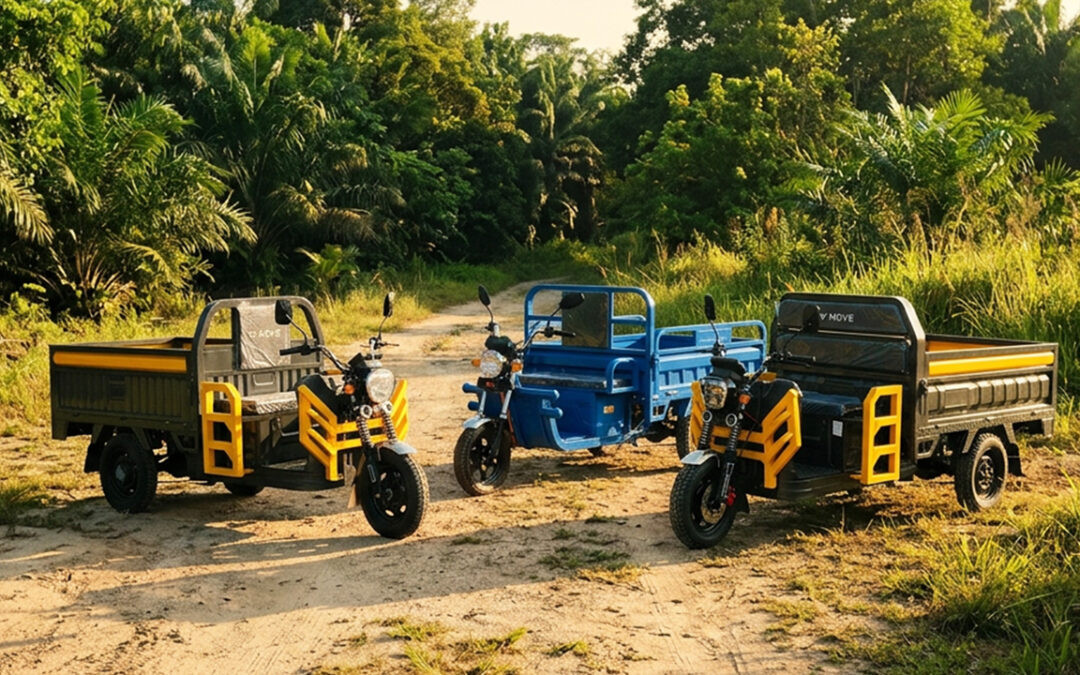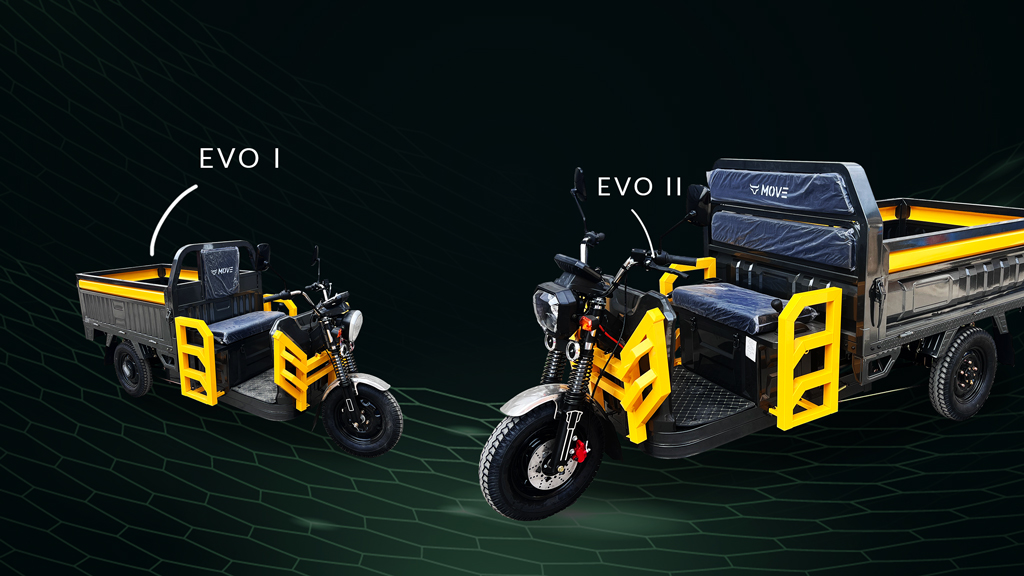
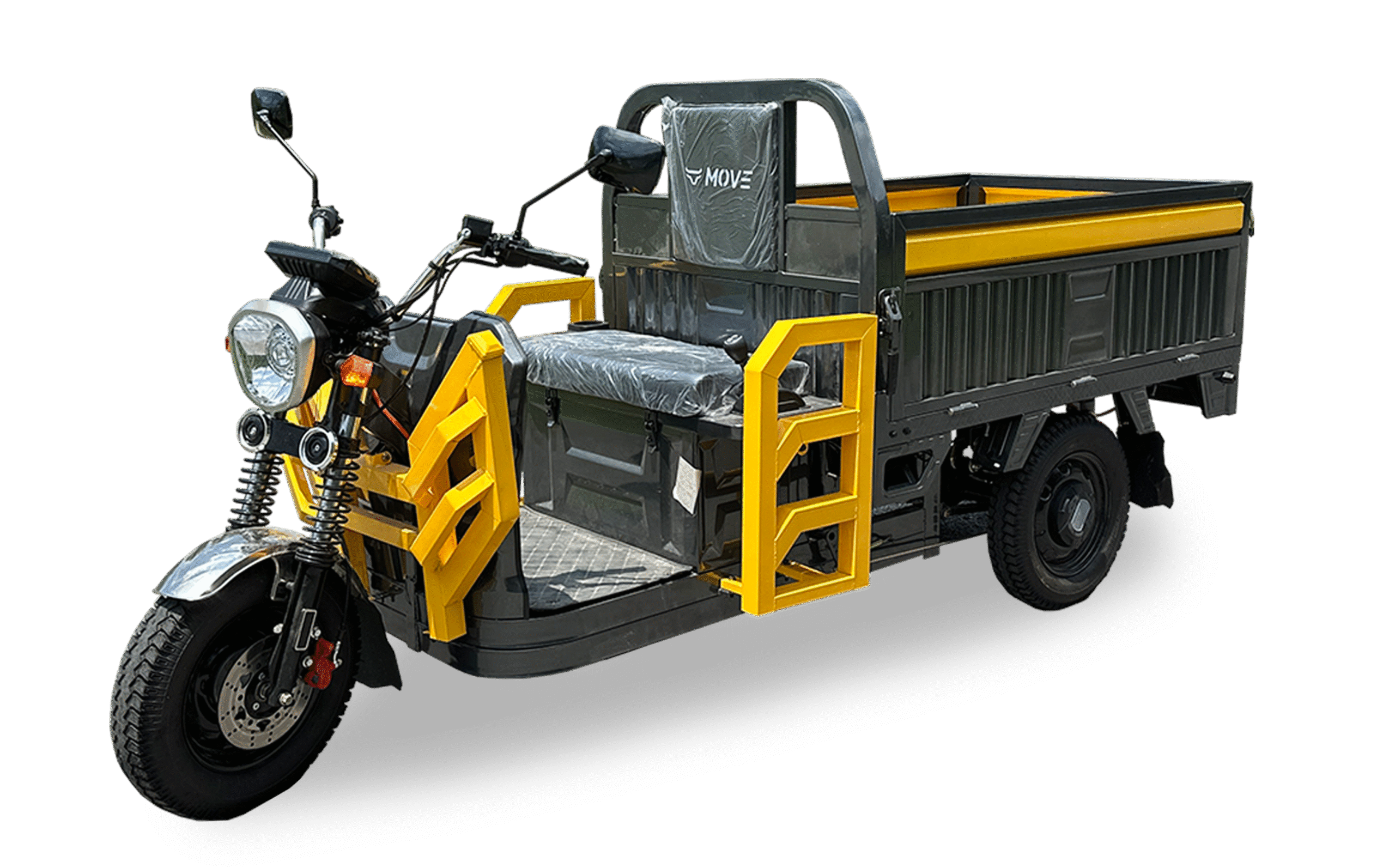
The electric cargo tricycle market in Malaysia is growing fast, and so is the confusion around it.
On Shopee you can find one for RM 2,470. On a manufacturer’s website, the same category of vehicle costs RM 11,600 or more. They look similar in photos. So what is actually different, and how do you know what you are really buying?
We are MOVE Motor Malaysia, and we assemble electric cargo tricycles locally in Nilai, Negeri Sembilan. This guide gives you the honest breakdown that most sellers will not tell you upfront.
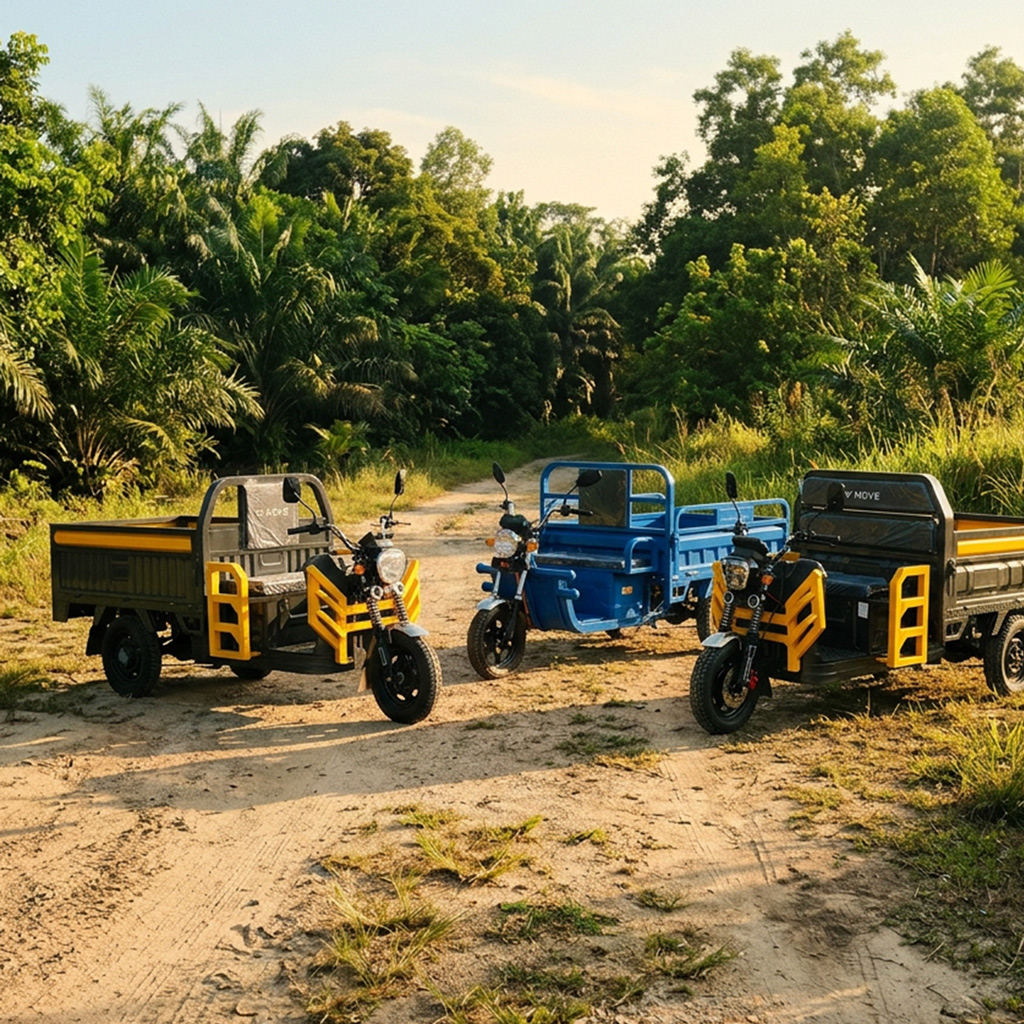
Why Malaysian Businesses Are Making the Switch Now
Three things are driving the shift from diesel to electric cargo tricycles in Malaysia right now.
First, diesel prices have become unpredictable since subsidy rationalization. Businesses that relied on cheap diesel for years are now seeing their daily transport costs creep up with no clear ceiling.
Second, the technology has matured. Early electric vehicles struggled with range, load capacity, and reliability on rough terrain. The current generation handles Malaysian plantation roads, construction sites, and wet market conditions with far more confidence than anything available five years ago.
Third, the locally assembled option now exists. You no longer have to import from China and wait weeks for spare parts. There are manufacturers assembling in Malaysia, stocking parts locally, and reachable by WhatsApp when something needs attention.
The Price Gap: What RM 2,000 vs RM 11,600 Actually Means
This is the question most buyers have first, and it deserves a straight answer.
A RM 2,000 electric tricycle from Shopee is typically built for light personal use: fetching groceries, moving small items around a garden, or elderly mobility. The motor is low-powered, the battery brand is unknown, the payload is under 200KG, and there is no meaningful after-sales support. When something breaks, you are on your own.
A commercial-grade electric cargo tricycle at RM 11,600 is a completely different product. Industrial motor rated at 1,000W to 2,000W. Named battery brand with a written warranty. Payload of 500KG to 1,000KG. Built for daily commercial use on tough Malaysian terrain.
The price gap reflects the gap in what the vehicle is actually built to do.
| Price Range | What You Get | Best For |
|---|---|---|
| RM 1,500 – 3,000 | Low-power motor, unknown battery brand, <200KG payload, no warranty support | Light personal use only |
| RM 3,000 – 8,000 | Mid-range specs, 300KG payload, limited after-sales | Small-scale occasional use |
| RM 11,600 – 14,600 | Industrial-grade motor, Ningde lithium battery, 500–1,000KG payload, local assembly, 2-year battery warranty | Daily commercial and industrial use |
The difference between a RM 2,000 tricycle and a RM 11,600 one is not just price. It is payload capacity, motor power, battery quality, and whether anyone will answer the phone when something goes wrong.
Questions to Ask Before You Buy
- What is the actual payload rating, and has it been tested?
Any seller can write a number on a spec sheet. Ask how the rating was determined and whether the vehicle has been used at that capacity in real world conditions. A legitimate manufacturer should be able to share this information or arrange for you to see the vehicle operating under load. - Who made the battery, and what is the warranty?
The battery is the most expensive component to replace on any electric vehicle. A generic battery from an unknown factory can degrade significantly within the first year of heavy use. Ask for the battery brand by name and get the warranty terms in writing. A serious manufacturer will offer at least 2 years on the battery. - Where is the vehicle assembled, and where are the spare parts?
An electric tricycle imported directly from China and resold in Malaysia means spare parts may not be stocked locally. With daily commercial use, something will eventually need attention, and you need parts available within days, not weeks. Ask where the vehicle is assembled and whether the seller holds local stock of common spare parts. - Who do you call when it breaks down?
This is the most overlooked question. Test the seller’s after-sales before you buy. Send a WhatsApp message with a technical question and see how long it takes to get a real answer. If the response is slow before the sale, it will be slower after. - Can you test drive it with your actual load on your actual terrain?
A vehicle that performs well on flat concrete may behave very differently on a muddy plantation track or a loaded construction site ramp. Any legitimate manufacturer will allow a proper test drive at your location. If the seller refuses or only offers a brief demonstration on flat ground, that tells you something.
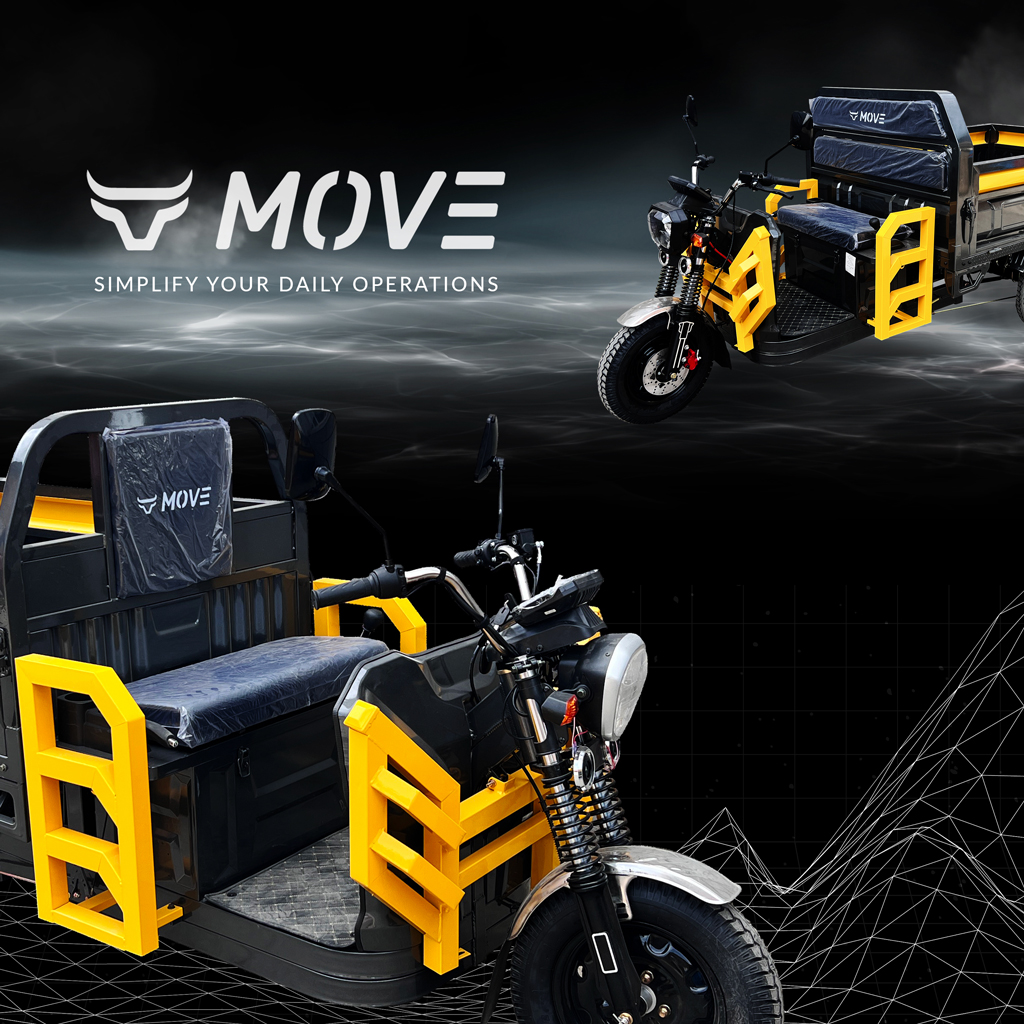
The Real Cost of Running an Electric Cargo Tricycle
Purchase price is only part of the story. What most buyers do not calculate upfront is the 3-year total cost of ownership.
- A diesel vehicle running a typical Malaysian plantation or worksite schedule costs RM 30 to RM 40 per day in fuel. An electric cargo tricycle on the same schedule costs RM 2 to RM 4 per charge. That difference alone adds up to roughly RM 800 saved every month.
- On top of fuel, diesel engines require regular servicing including oil changes, filter replacements, belt inspections, and eventually engine overhauls. An electric motor has almost none of those maintenance requirements. No oil, no timing belt, no radiator.
- Over 3 years, the running cost difference between diesel and electric typically exceeds RM 30,000 for a vehicle in daily commercial use. That is the number worth comparing, not just the sticker price.
Use the MOVE Fuel Calculator to enter your specific usage numbers and see your exact savings estimate. Not sure which model fits your operation? Read our EVO I vs EVO II comparison to find out.
What a Test Drive Should Cover
If you are serious about buying, a proper test drive should cover four things.
Load it to your actual working weight. Load it to your actual working weight. Do not test it empty. Ask the seller to load the vehicle close to its rated capacity on flat ground so you can see how it handles the weight. Bring representative cargo from your operation if possible.
Take it up a slope. Not all test locations have slopes available. If the seller’s facility is on flat ground, ask for video evidence of the vehicle handling inclines with load. A legitimate seller should be able to provide this.
Test it for at least 15 to 20 minutes. A quick 5 minute ride tells you very little. Spend time on the vehicle to get a real feel for the acceleration, turning radius, and comfort over uneven ground.
Ask about what happens after the sale. During the test drive, ask directly: if this motor develops a fault in 6 months, how long does the repair take and what does it cost? The answer will tell you more than the brochure.
Why Local Assembly Matters More Than You Think
Most electric cargo tricycles sold in Malaysia today are imported directly from Chinese factories, either shipped in as finished units or assembled from imported parts by local resellers. There is nothing inherently wrong with Chinese manufacturing, as much of the technology in commercial EVs globally comes from China. The problem is what happens after the sale.
When a component fails on an imported vehicle, the reseller may not hold spare parts locally. A replacement part could take 2 to 6 weeks to arrive by sea freight. During that time, your vehicle sits idle and your operation loses productivity every day.
A locally assembled vehicle changes that equation entirely. Spare parts are stocked in Malaysia. The team that built the vehicle is reachable by phone or WhatsApp. If something needs attention, a local technician can respond within days rather than weeks.
There is also the question of terrain calibration. A vehicle assembled in Malaysia and tested on Malaysian roads, plantation tracks, and construction sites is set up for local conditions from day one. A vehicle built for a Chinese road standard may perform differently on the terrain your operation actually uses.
MOVE vehicles are assembled in Nilai, Negeri Sembilan, tested locally, and supported by a Malaysia-based after-sales team. That is not just a marketing point. It is what makes the difference when something needs fixing on a working day.
Frequently Asked Questions
Do I need a driving license to use an electric cargo tricycle in Malaysia?
No. MOVE electric cargo tricycles are designed exclusively for off-road use on private land such as plantations, farms, construction sites, and warehouses. Within private property, no driving license is required.
How long does the battery last per charge?
The MOVE EVO I and EVO II Standard cover 60 to 80 KM per charge. The EVO II Pro covers 80 to 130 KM per charge. Actual range depends on load weight, terrain, and operating speed.
What battery brand does MOVE use?
All MOVE EVO models use Ningde Lithium-Ion batteries, the same technology used in passenger electric vehicles. Every unit comes with a 2-year battery warranty and 1-year spare parts warranty.
Where is MOVE assembled?
MOVE electric cargo tricycles are assembled in Nilai, Negeri Sembilan, Malaysia. Spare parts are stocked locally and the after-sales team is based in Malaysia.
Ready to See One in Person?
MOVE offers test drives at your location anywhere in Malaysia. Bring your actual load, pick your terrain, and see exactly how the vehicle performs before you decide.
WhatsApp us today and we will arrange a session this week.