Most Malaysian business owners reach the same conclusion when their operation grows. There is too much to carry by hand or by motorcycle, so the obvious next step is a small lorry or a van. It feels like the only option, so people start saving for one or taking on a loan.
Before you commit to that, it is worth stopping to ask whether you actually need something that big. For a lot of businesses, a lorry or a van is far more vehicle than the job requires, and it brings costs that quietly drain your profit every month.

Source: The Jakarta Post
What a small lorry or van really costs you
The purchase price is only the beginning. A used lorry or van in Malaysia is a large upfront cost or a monthly loan that sits on your books for years. After that, the running costs start.
Diesel is the big one. Since fuel subsidies were rationalised, many businesses now pay market rate for diesel, and that price moves around week to week. Every trip burns money, and a lorry burns a lot of it.
Then there are the ongoing costs. A diesel engine needs regular servicing, plus tyres and repairs over time. A larger vehicle also depends on having the right person available to drive it, which is another cost and another dependency if they are not around.
There is one more problem that has nothing to do with money. A lorry or a van is simply too big for many of the places you actually work. It cannot fit down a narrow lane between shoplots. It cannot get into a wet market in the early morning. It cannot drive between the rows of a farm or move easily around a busy worksite. So you end up parking it at the edge and carrying goods the last stretch by hand anyway.
The gap between a motorcycle and a lorry
Here is the real issue. For years there were only two choices. A motorcycle, which is cheap and nimble but can barely carry anything. Or a lorry, which carries plenty but is expensive, thirsty, and too big to go where you need it.
Most small operations sit right in the middle. You need to move real weight, a few hundred kilograms at a time, around a defined area like your own premises, an estate, a market, a site, or a gated community. A motorcycle is too small for that. A lorry is overkill. Nothing seemed to fit.
The option most businesses do not know about yet
That middle gap now has a proper answer, and many owners simply have not heard of it yet.
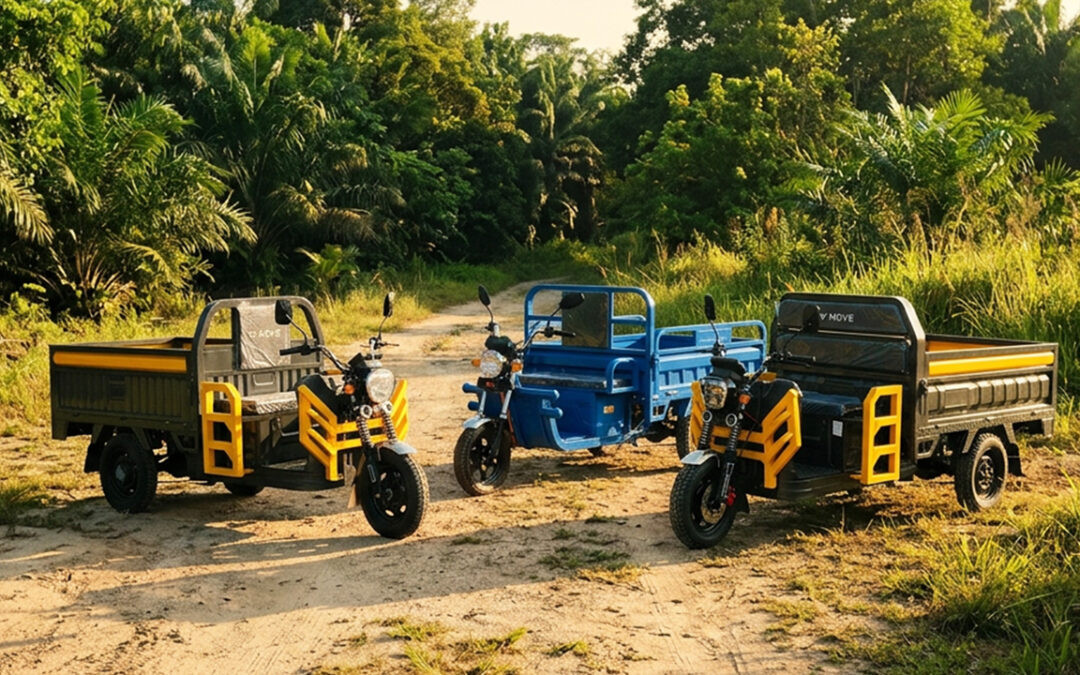
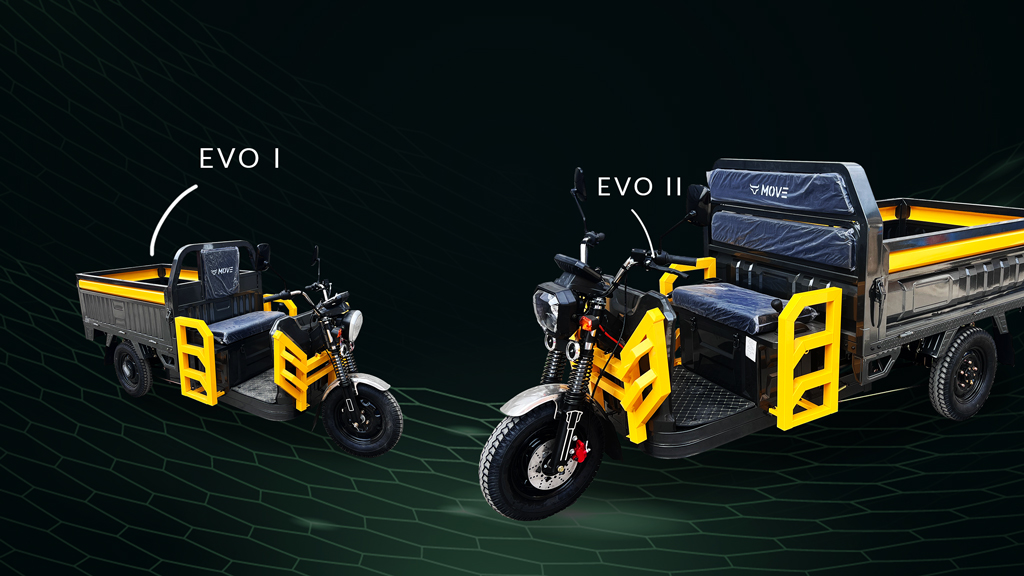
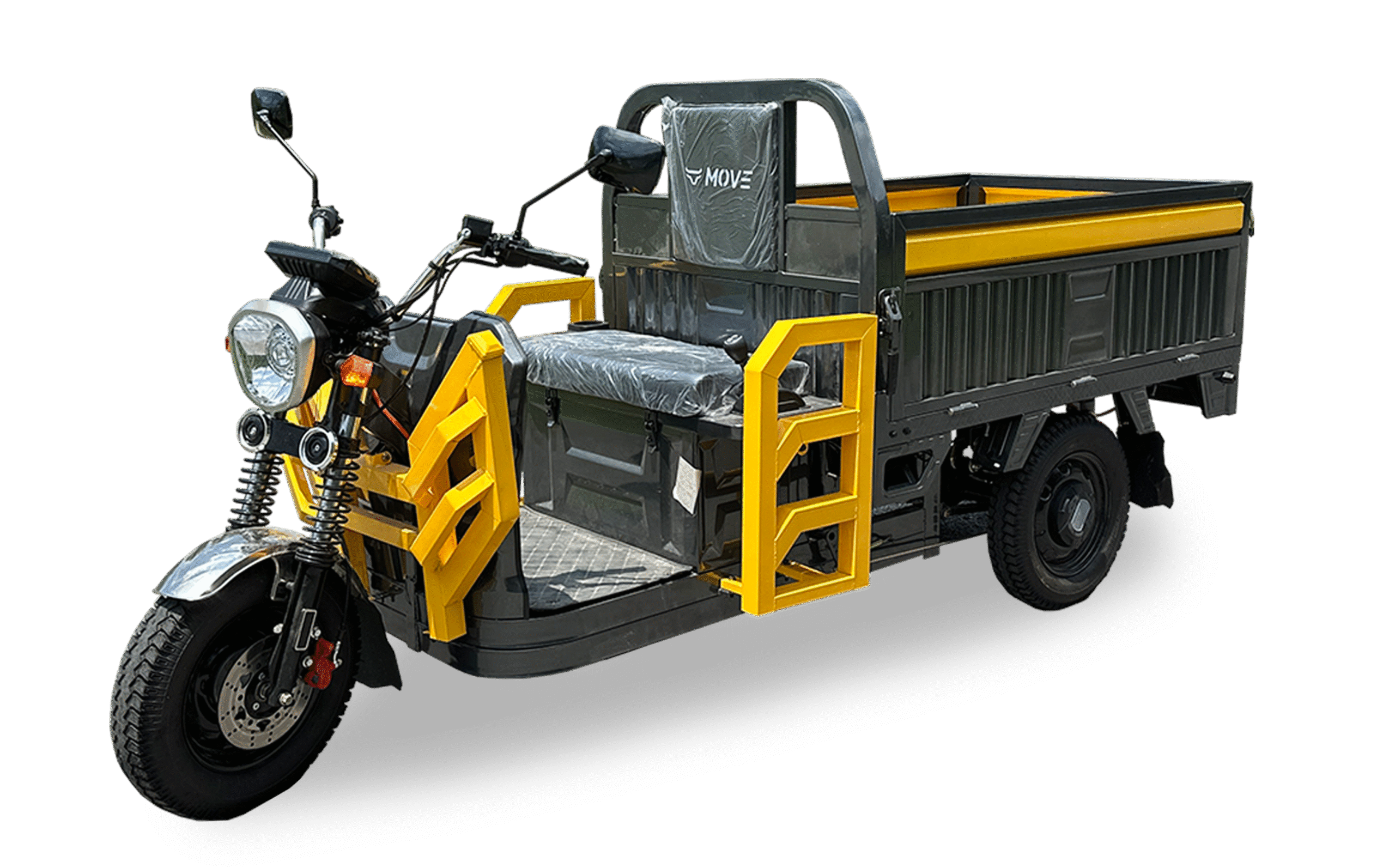
It is a compact, three wheeled work vehicle that runs on a battery instead of diesel. Picture something the size of a large motorcycle at the front with a proper cargo bed at the back. It carries far more than a bike, it is small enough to go where a lorry cannot, and it costs a fraction of both to buy and to run.
The category name for it is an electric cargo tricycle. If you have ever seen the small three wheeled goods carriers common across Southeast Asia, this is the modern, electric version of that idea, built for heavier work.
For the kind of tasks most small businesses in Malaysia deal with every day, it fits neatly:
- Moving stock between stalls and storage at a wet market or pasar, quietly, early in the morning.
- Carrying goods down narrow shoplot lanes where a van cannot reach.
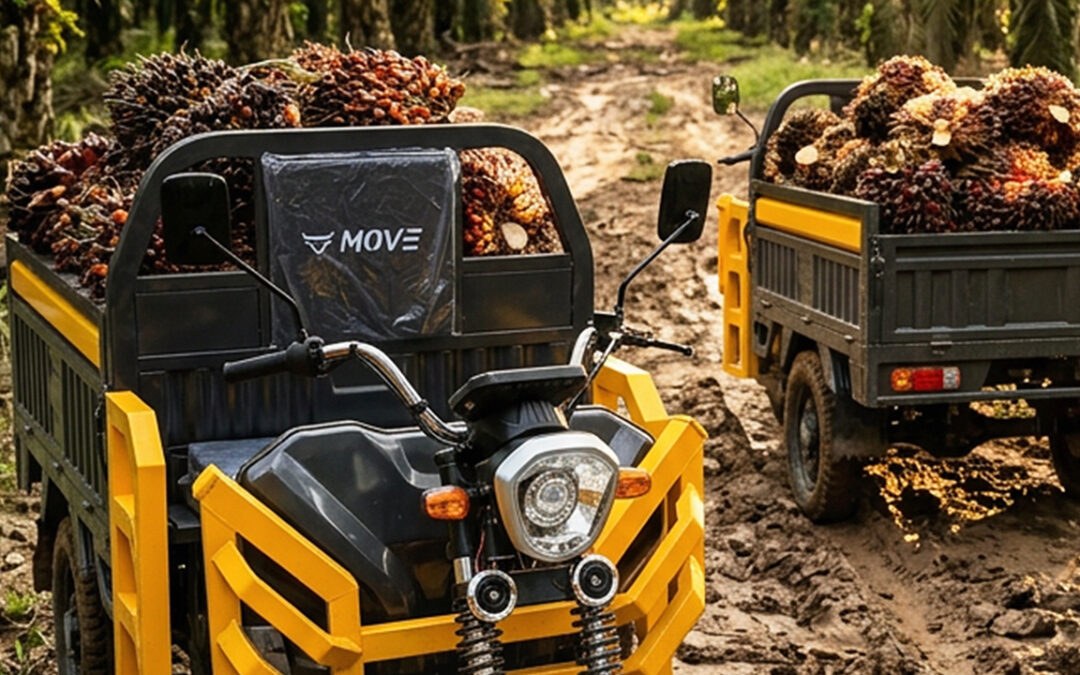
- Hauling fertiliser, tools, and produce around a farm or estate, including on rough ground.
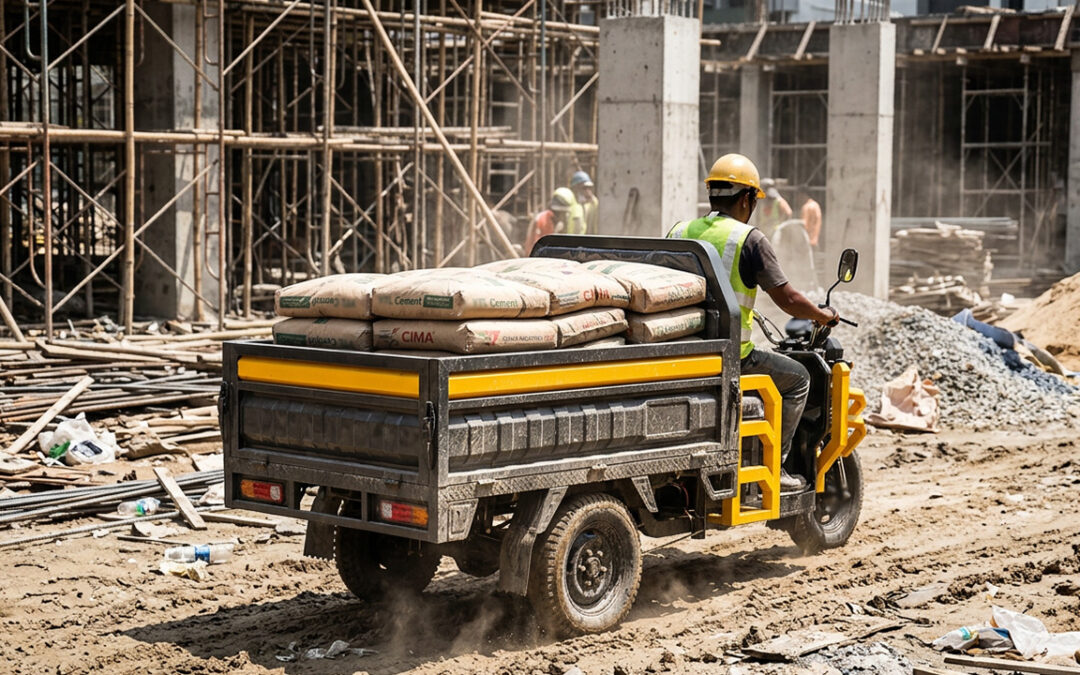
- Shifting materials and equipment around a construction site with a tight turning radius.
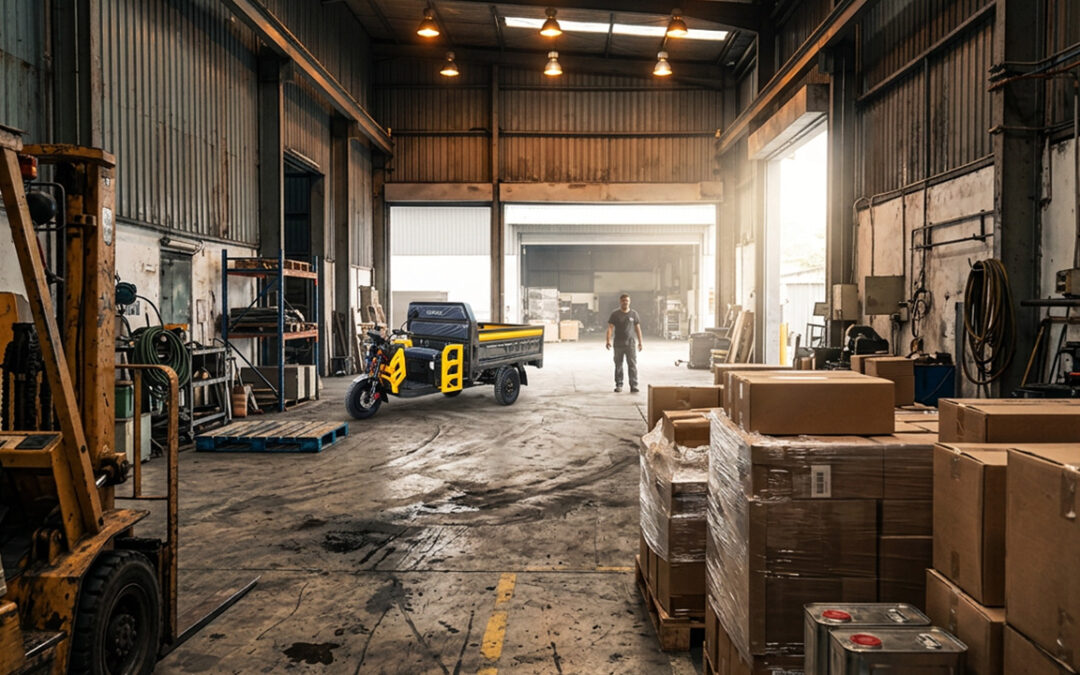
- Running internal logistics inside a factory or warehouse with zero emissions, so it is safe indoors.
- Maintenance and waste rounds inside a gated community, without the noise of an engine.
Why the running cost is lower
Two things drive the saving, and both are simple to see.
First, there is no fuel bill. You charge it instead of buying diesel, and charging costs a small fraction of what a diesel engine drinks. For a business that runs every day, that difference adds up fast.
Second, maintenance is far lighter. There is no engine oil to change and no diesel servicing, and there are fewer moving parts to break down when you are busy.
What to check before you decide
If this sounds like it could replace the lorry you were about to buy, a few things separate a serious work vehicle from a cheap toy.
Payload comes first. Plenty of cheap imported units only carry around 300 kilograms, which is not much more than a large hand cart. For proper business use you want real capacity. The MOVE EVO range carries up to 1,000 kilograms in a single trip.
Local support matters just as much. A vehicle that breaks down is useless if the spare part has to ship in from overseas. Buying from a company that assembles and services the vehicle locally means a fault gets sorted in days rather than weeks. MOVE units are assembled in Nilai, Negeri Sembilan, with local parts and local after sales support behind them.
Work out the numbers before you sign for a lorry
The honest way to decide is to compare real figures. Take what a small lorry or van would cost you to buy and run each month, including fuel and servicing. Then compare it against a vehicle with no fuel bill and lighter maintenance. The gap is usually bigger than people expect.
Our fuel calculator gives you a quick view of the fuel side. For everything else, add up the loan and running costs you would otherwise carry.
If you want to see one work on your own ground before you decide anything, that is the best test there is. Get in touch, tell us how and where you move your goods, and we will help you work out whether it fits your business.