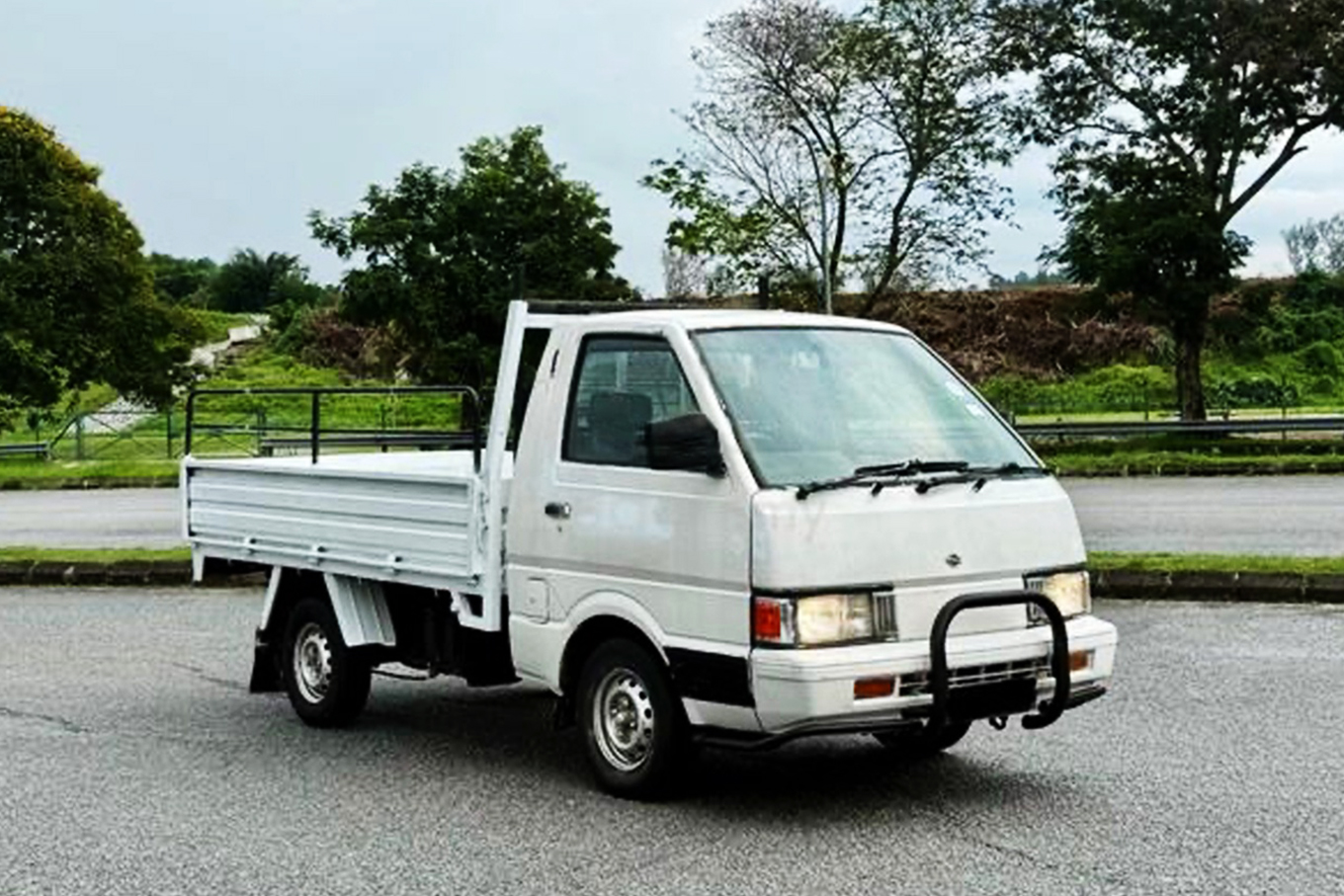
Every business that runs a work vehicle reaches the same crossroads eventually. The old mini truck, the mechanical buffalo that many Malaysian farmers still call a kerbau besi or jentera ladang, the small hauler that has served the farm or the site for years, starts asking for more than it gives back. Another repair bill lands. Then another one a few months later. And you find yourself standing in the workshop, doing the maths in your head, wondering whether to repair or replace your old diesel work vehicle one more time.
It is a harder decision than it looks, precisely because the vehicle still runs. It still does the job, most days. So the easy choice is always to patch it up and carry on, and that is exactly how a tired old vehicle quietly drains more from you each year than a replacement would. The trick is to see the full cost before you sign off on yet another repair. Here is how to think it through clearly.
The real cost of keeping an old diesel vehicle running
When people weigh up repair against replacement, they usually only look at the repair quote in front of them. That is only part of the picture. An ageing diesel work vehicle costs you in three ways at once.
- First, the repairs. They rarely stop at one. An old engine that needs a new part today tends to need another one a few months later. Each bill on its own feels bearable, which is exactly why the total sneaks up on you.
- Second, the fuel. This is the part that has changed the most. Diesel is no longer the cheap fuel it was a couple of years ago, and a business that runs a vehicle every day now feels that at the pump far more than before. An older engine that has lost some of its efficiency burns even more than it should.
- Third, the downtime. Every day the vehicle is in the workshop is a day the work does not get done, or gets done slower by hand. That lost time is a real cost, even though it never shows up on an invoice.
Add those three together and an old diesel vehicle is often costing you far more than the repair quote suggests. The quote is just the part you can see.
When repairing your old diesel work vehicle still makes sense
Replacing is not always the answer, and it would be dishonest to pretend otherwise. Keeping your current vehicle can be the right call when the repair is a one off, the vehicle is otherwise sound, your daily usage is light, and the machine still suits the job well. If you only use it occasionally and it is not drinking much fuel, there may be no rush to change anything.
The decision only tips the other way when the pattern changes. Repairs becoming regular rather than rare. Fuel turning into one of your biggest monthly costs. The vehicle spending more time out of action than you can afford. When two or three of those are true at once, you are no longer maintaining a vehicle. You are slowly paying for a new one, just without ever getting a new one at the end of it.
What replacing with electric actually changes
This is where a lot of owners assume the only option is another diesel vehicle, because that is what they have always known. It is worth knowing there is now a different kind of replacement built for exactly this sort of work.
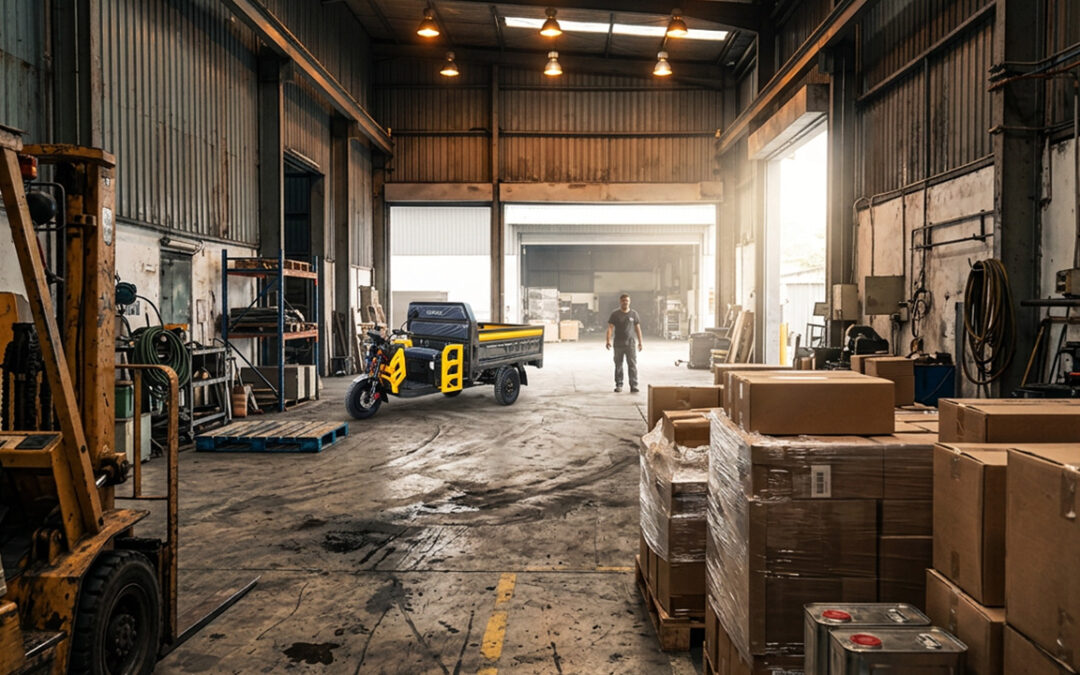
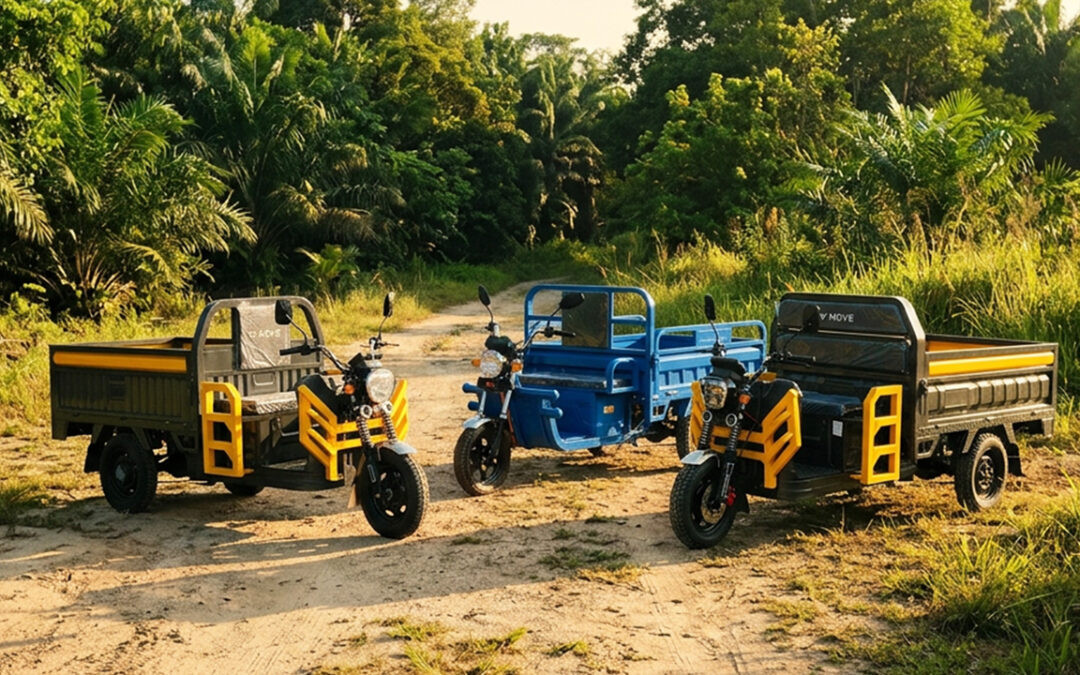
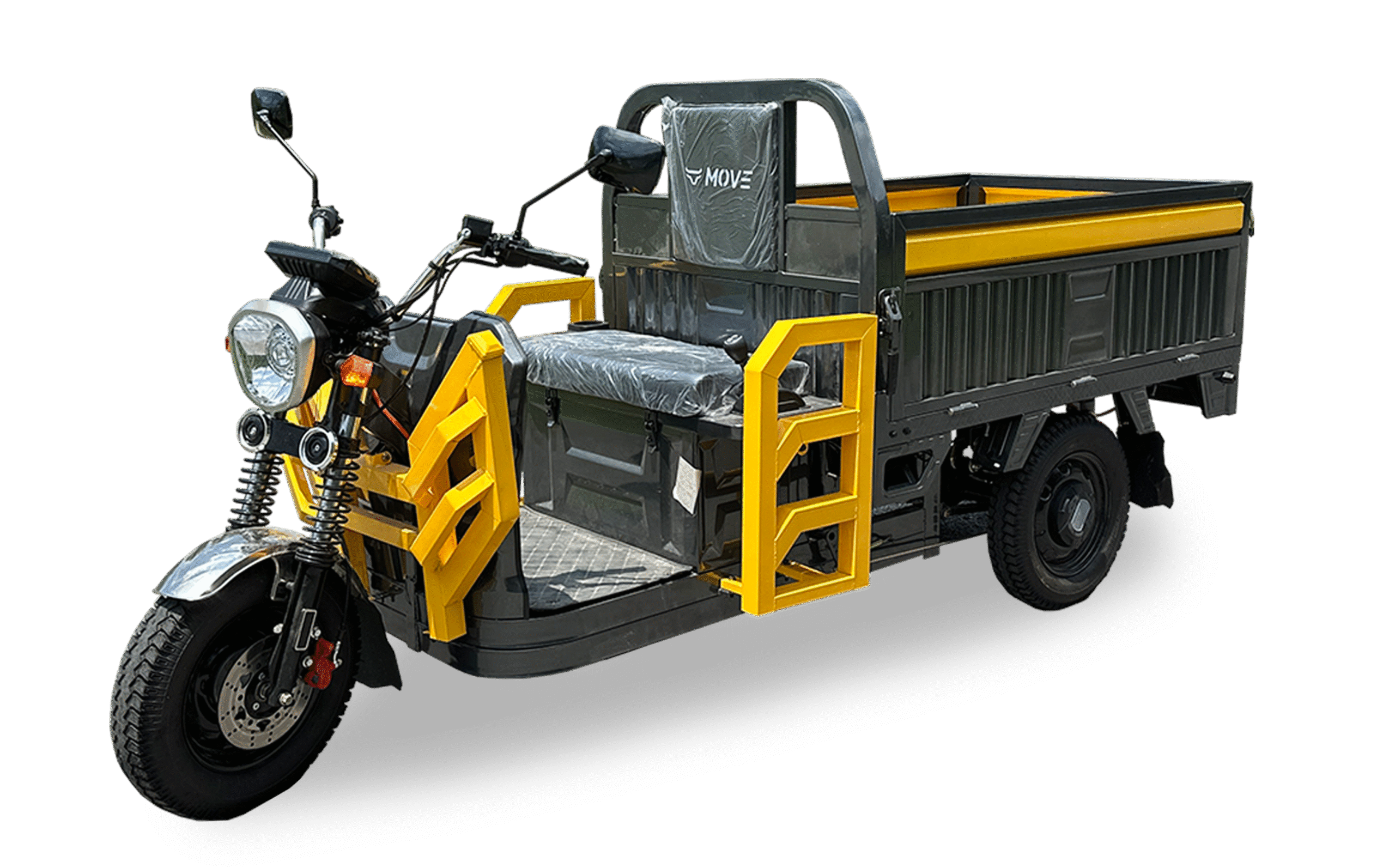
It is called an electric cargo tricycle, and for private-ground work like moving loads around a farm, estate, yard, or site, it changes the maths in a way another diesel vehicle cannot.
The fuel bill goes away. You charge it instead of buying diesel, and charging costs a small fraction of what an engine drinks, so the cost that has been climbing every month simply stops climbing. The repair pattern changes alongside it, because an electric drivetrain has far fewer moving parts than a diesel engine. There is no engine oil, no filters, no fuel system to service, so most of what used to send your old vehicle back to the workshop is simply not there anymore.
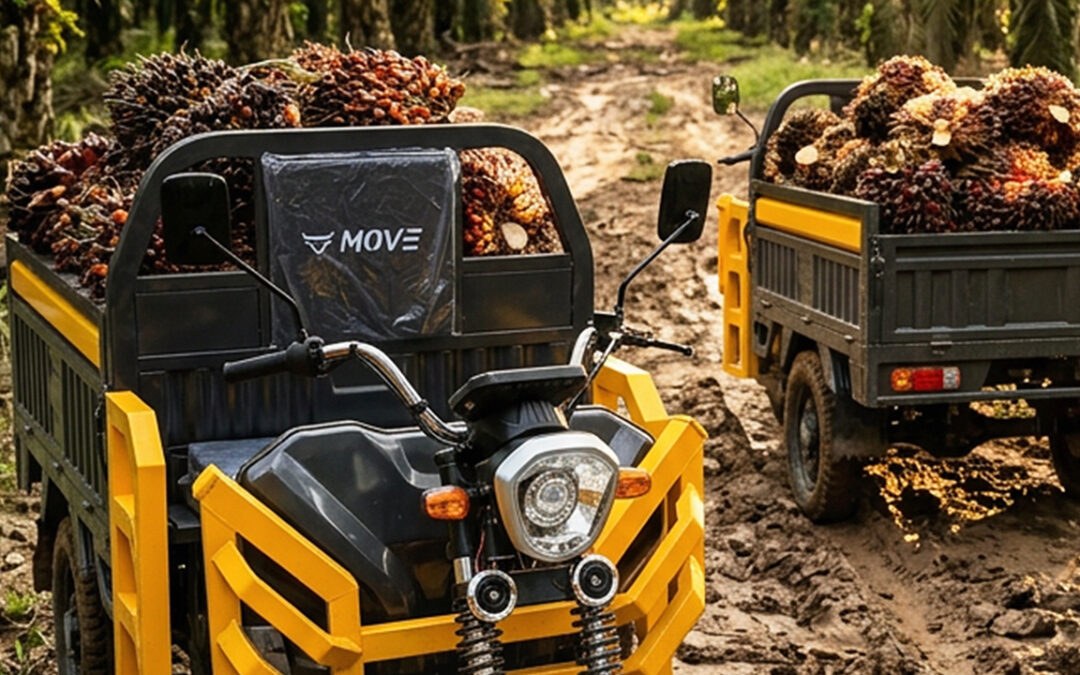
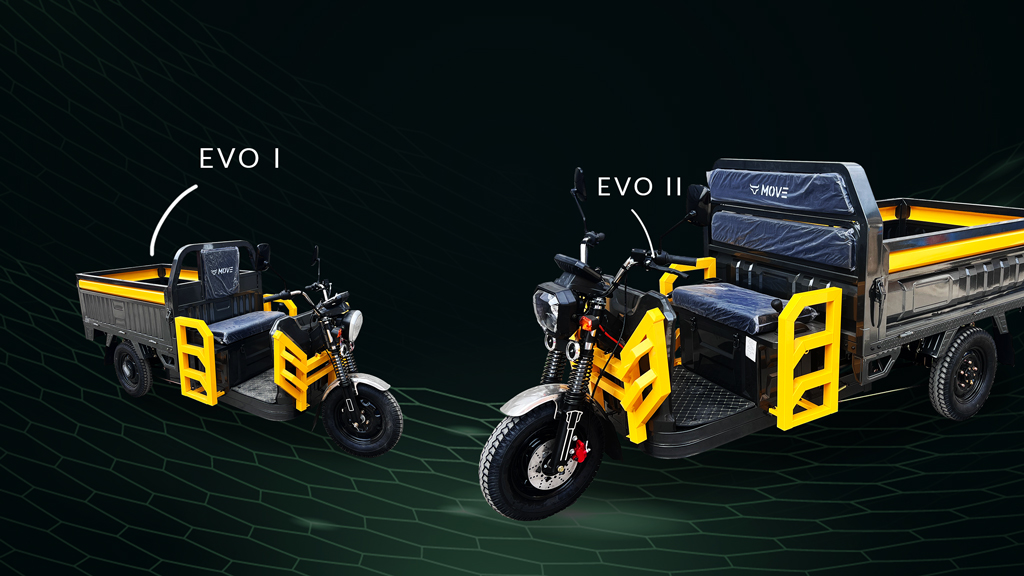
And you gain all of that without trading down in capability. The MOVE EVO range carries up to 1,000 kilograms in a single trip, so you are not sacrificing capacity to gain the savings. You are simply replacing an ageing, thirsty machine with one that does the same heavy work for far less each month.
If you want to see the running cost difference in ringgit for your own usage, our Fuel Calculator lays it out, and our guide on how much you can cut diesel costs goes deeper on the savings side.
A simple way to decide
Strip it back to a few honest questions about your current vehicle.
Are the repairs becoming a pattern rather than a one off? Is diesel now one of your largest monthly running costs? Does the vehicle cost you real time sitting idle in the workshop? And do you rely on it often enough that all of the above actually hurts?
If you answered yes to most of those, repairing your old diesel work vehicle again is likely just delaying a decision you have already half made. If you answered no, keep your vehicle running and revisit the question later. There is no shame in either answer. The point is to decide with the full cost in view, not just the repair quote on the table.
Built for your grounds
One thing worth being clear about. An electric cargo tricycle like the MOVE EVO is built for work on your own grounds, across your farm, estate, yard, or site. That off road focus is exactly what makes it a natural replacement for the kind of diesel work vehicle that spends its life on private land.
Local support matters when you are replacing something you depend on daily. MOVE units are assembled in Nilai, Negeri Sembilan, with local parts and local after sales support, so if something needs attention it gets sorted in days rather than weeks. You can look at the two models here, the EVO I and the EVO II.
Work out your own numbers
The honest next step is to look at what your current vehicle really costs you over a year, repairs and diesel and downtime together, and compare that against replacing it with something that removes most of those costs.
Use our Fuel Calculator for the fuel side, then add up your repair bills from the last twelve months. If the total surprises you, it may be time. To talk it through for your own situation, get in touch and tell us what you are running now and what you need it to do.