Most Malaysian construction sites have the same daily problem. The lorry drops everything at the gate. Then someone has to move cement bags, bricks, steel, and tools across the site to wherever the crew is working that day. The old diesel runner handles this, but it eats fuel on short trips, breaks down without warning, and keeps workers waiting when it does. That delay costs you more than the repair.
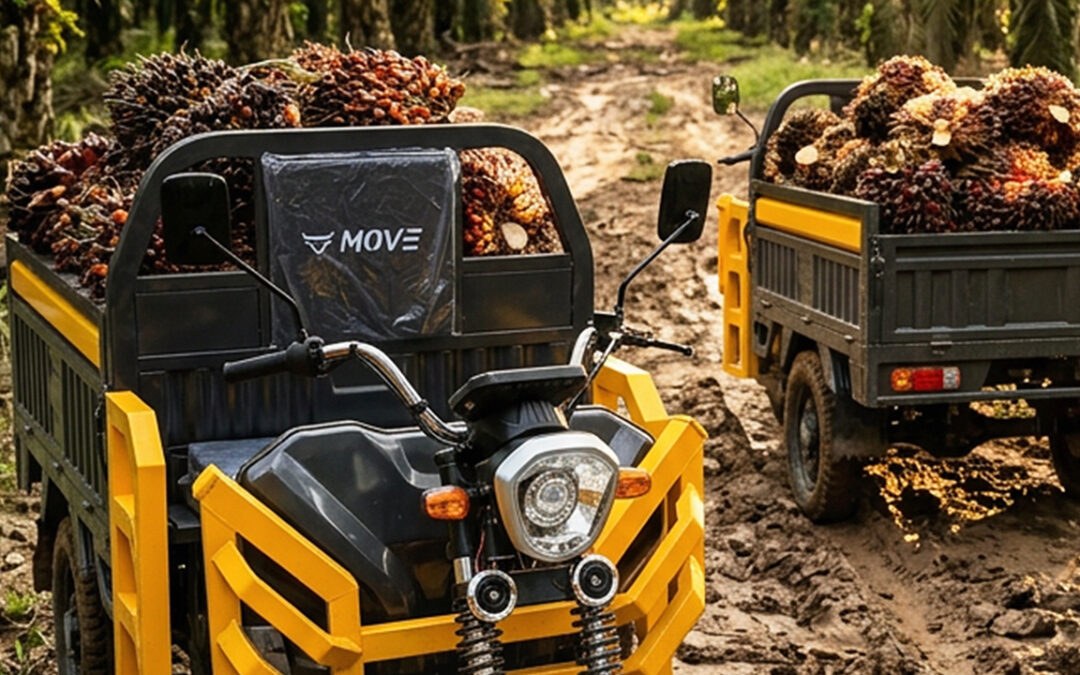
There is a more reliable option. An electric cargo tricycle construction site Malaysia operators are switching to has been doing this exact job on oil palm estates and farms for years. For a building site, the case is not complicated.
What a Construction Site Actually Moves Every Day
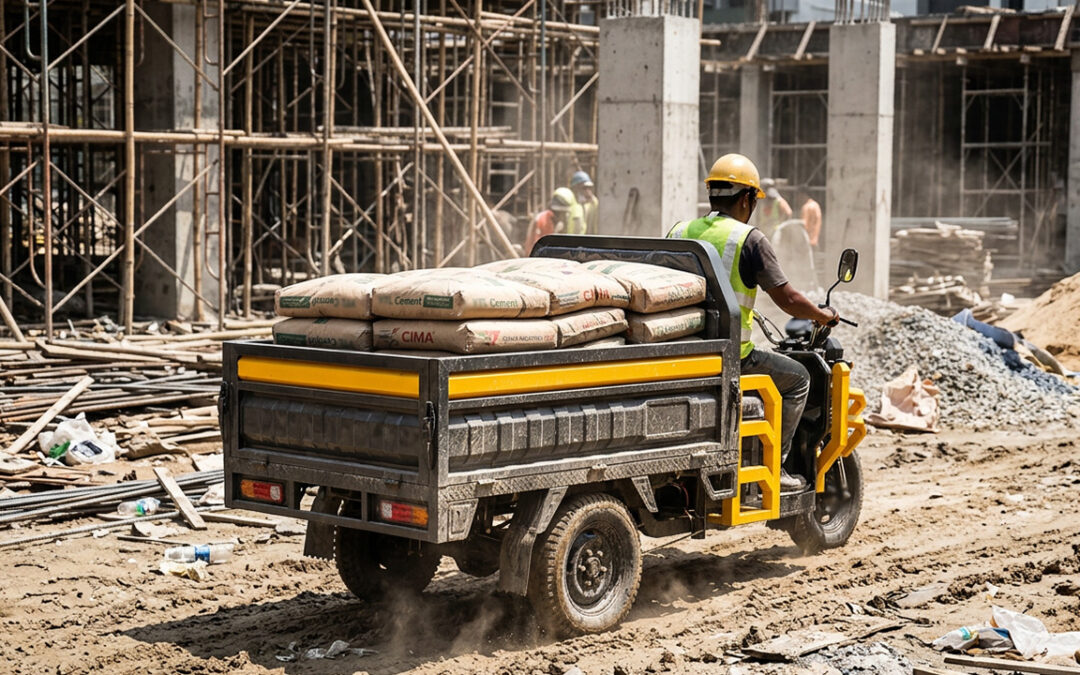
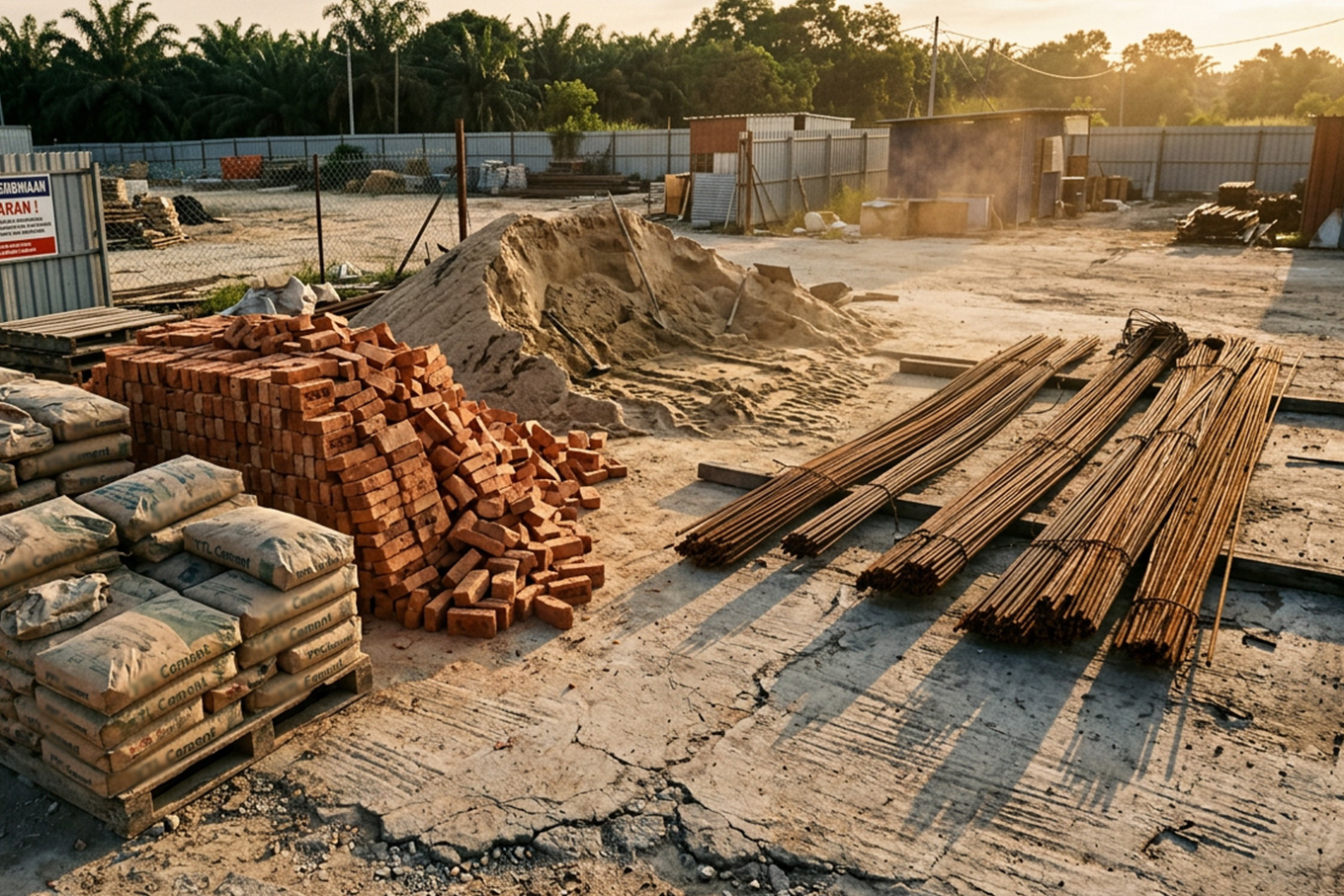
Building materials never stop moving on a live site. Cement bags come in at 50kg each. Floor tiles, bricks, steel bars, sand, timber, gravel: all of it needs to get from the delivery point at the site entrance to wherever the work crew is positioned that day. Then the waste and debris need to come back out.
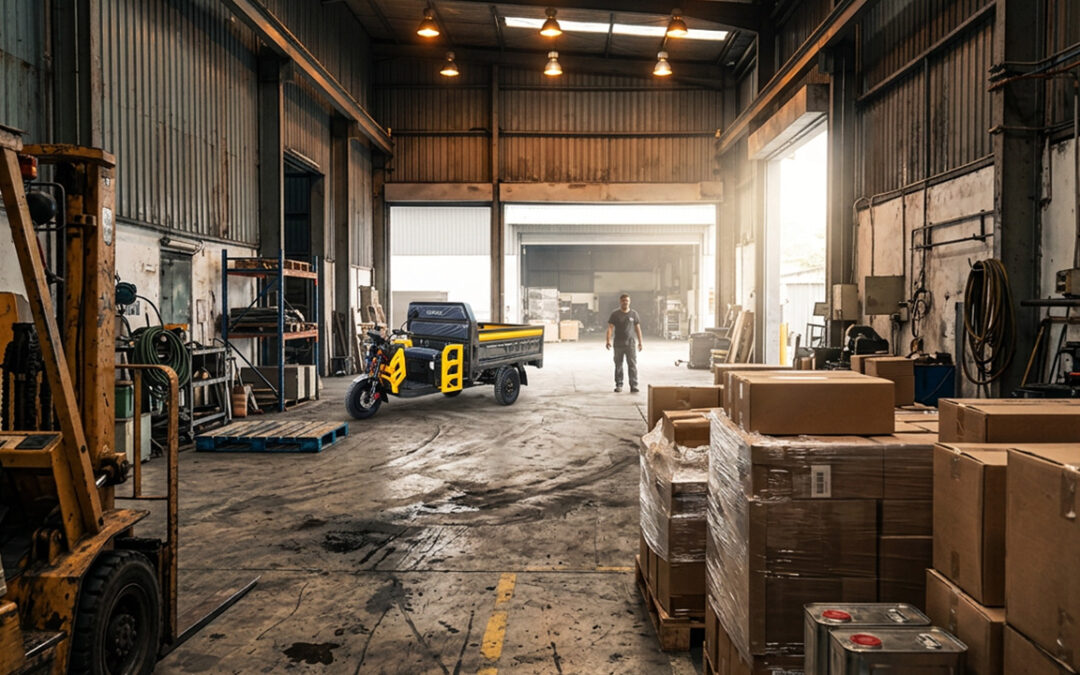
A lorry handles the long haul to your gate. It cannot follow the work inside. A forklift moves pallets on a flat, hard surface, not across the compacted mud and uneven ground of an active Malaysian construction site. So the job of moving cargo tricycle construction materials around site falls to whoever is available, carrying by hand or by wheelbarrow. That slows the crew and adds quiet labour cost to every single delivery.
The Real Cost of Running a Diesel Site Runner
Many Malaysian construction sites run an old pickup truck or a secondhand mini truck for internal transport. It handles the work, until it does not. The actual monthly running cost on these vehicles is almost always higher than site managers realize.
A diesel engine doing 20-meter runs back and forth all day never reaches efficient operating temperature. Fuel consumption on stop-start site work is far higher per distance covered than the manufacturer ever quoted. Add filters, oil changes, injector service, and the unplanned repair that always comes at the worst time. The vehicle that looked cheap when you bought it secondhand ends up costing real money every month to keep going.
According to the Construction Industry Development Board Malaysia (CIDB), construction site productivity is directly tied to materials handling efficiency. A reliable, low-downtime transport option reduces project delays. An electric hauler running on a battery has no engine to fail mid-shift.
Electric Cargo Tricycle Construction Site Malaysia: Why the Math Works
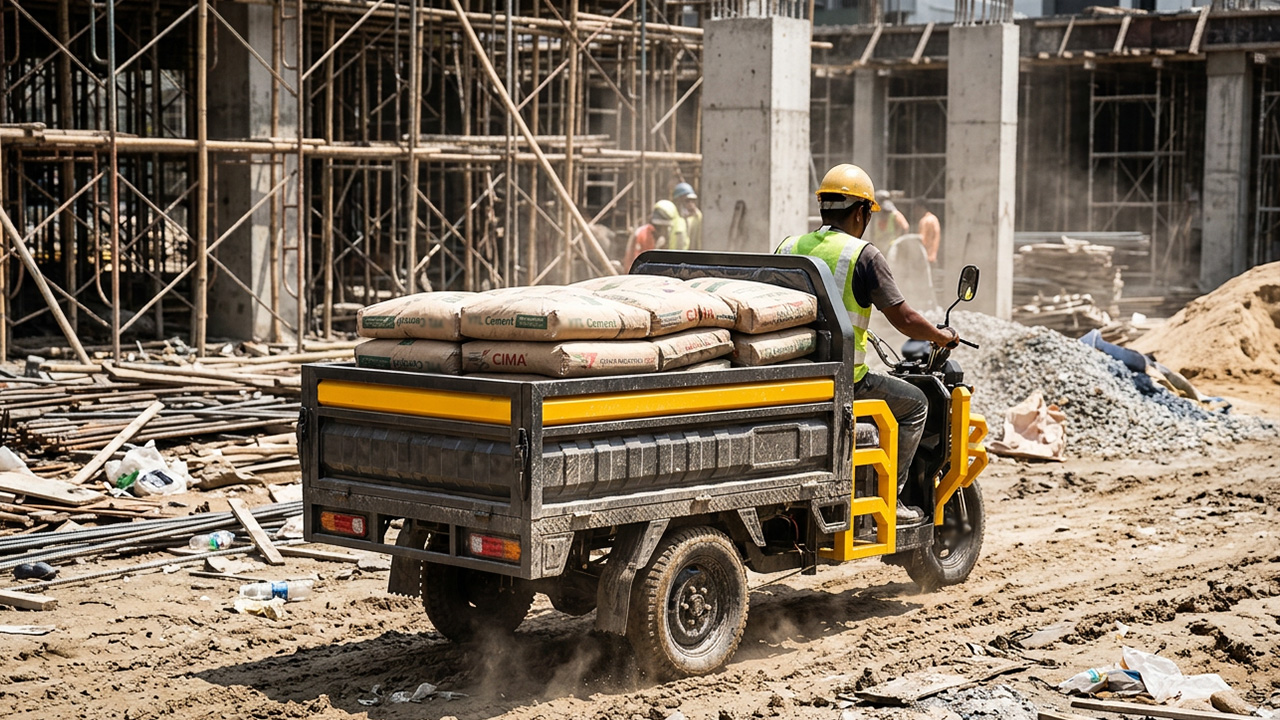
An electric cargo tricycle costs nothing per trip in fuel. Charge the battery overnight and it runs through a full working day. For stop-start, short-haul, heavy-load work, which is exactly what a construction site requires, a battery vehicle is far better matched to the duty cycle than a diesel engine designed for sustained highway running.
There is no engine to service. No oil, no injectors, no exhaust system, no cooling system. The monthly running cost on a battery vehicle doing site work is a fraction of what a diesel runner costs for the same job. How much exactly depends on your site’s usage pattern. Put your own numbers into the Fuel Calculator and see what comes out.
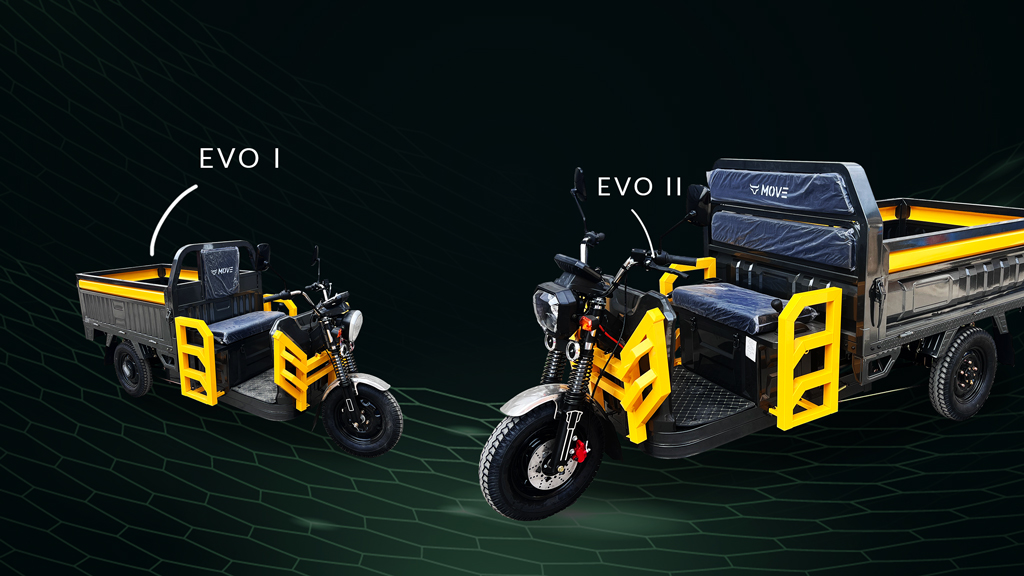
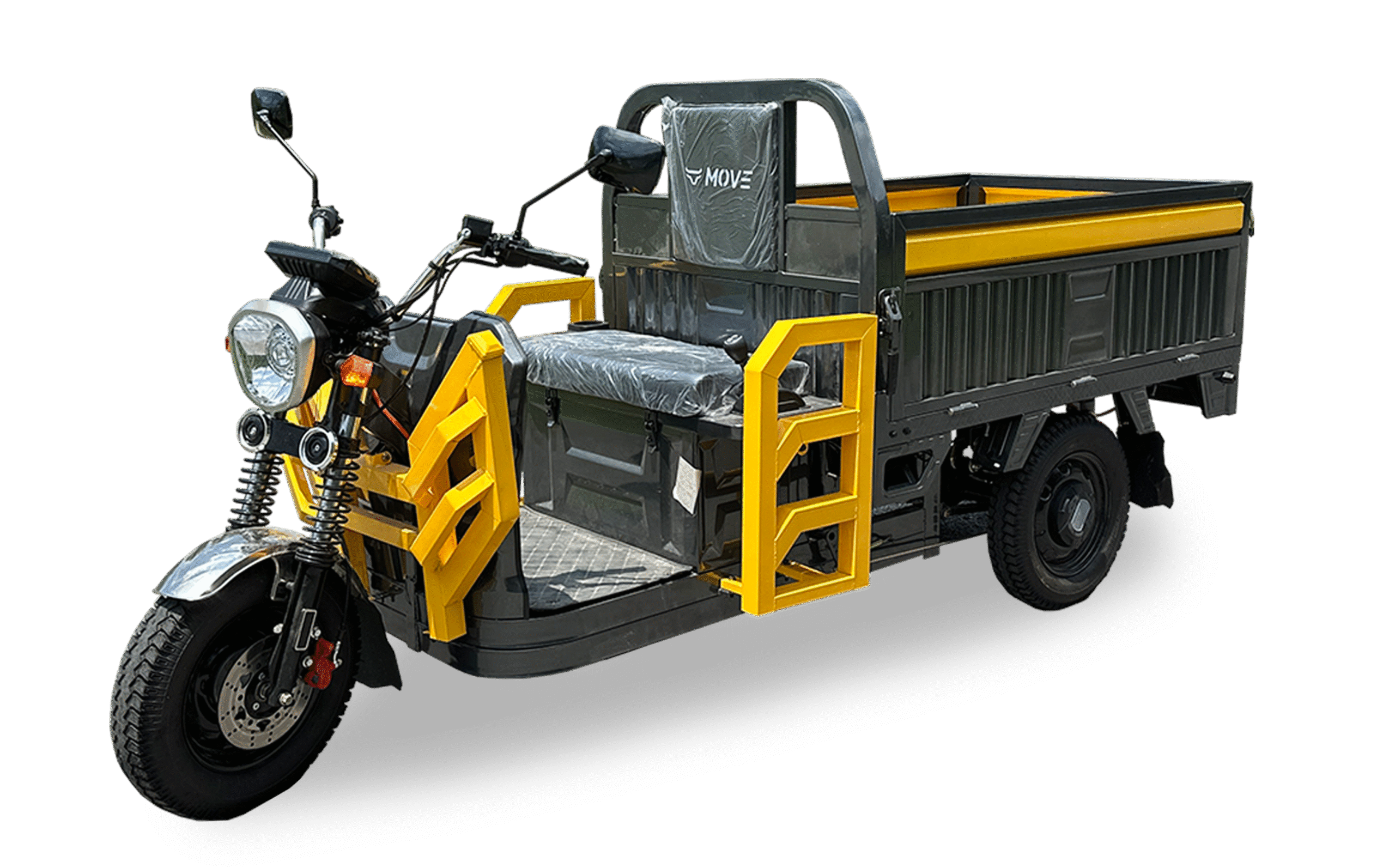
Capacity matters here. A cheap electric utility vehicle construction Malaysia operators find from general importers often maxes out around 300kg, barely more than a reinforced trolley. The MOVE EVO II carries up to 750kg in one trip. The EVO II Pro handles up to 1,000kg. For real construction loads like cement, bricks, and steel, that is a meaningful difference in how many trips your operator makes per hour.
What to Look For in an Electric Cargo Tricycle Construction Site Malaysia Buyers Need
Not every model is built for a site environment. Four things to check before committing:
Load capacity
500kg minimum for construction work. Below that, the vehicle will be over-cycled doing what a heavier unit would do in half the trips. The EVO II (750kg) and EVO II Pro (1,000kg) are built for this load range.
Suspension and ground clearance
Active construction sites are not paved warehouses. Uneven compacted ground, construction debris, rough internal access paths: the vehicle needs real suspension and ground clearance. A vehicle designed for flat indoor surfaces will wear faster and handle poorly on a live site. Ask to see the spec sheet for suspension type before you commit.
Turning radius
Once materials are stacked, scaffolding is up, and temporary structures are in place, site access gets tight. A compact vehicle with a short turning radius reaches work points a pickup truck simply cannot get to.
Local parts and support
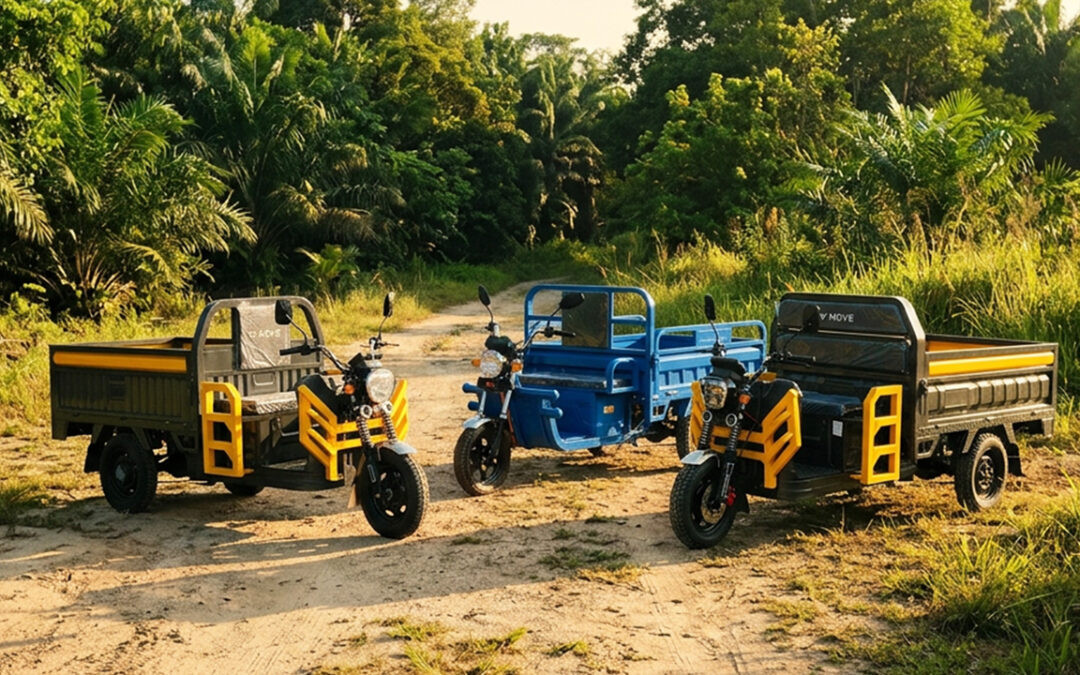
An electric hauler construction site teams rely on cannot afford weeks of downtime waiting for parts from China. MOVE units are assembled locally in Nilai, Negeri Sembilan. When something needs attention, it gets handled fast.
Battery Life: Will It Run All Day on Site?
A common question from site managers. The table below shows the key battery specs for each MOVE EVO model:
| Model | Battery | Max Load | Best For |
|---|---|---|---|
| EVO I | 60V / 80AH | 500kg | Light site work, small compounds |
| EVO II Most Popular | 60V / 80AH | 750kg | Standard construction site use |
| EVO II Pro | 72V / 130AH | 1,000kg | Heavy loads, extended shifts, larger sites |
For standard construction site internal transport, running multiple trips per hour across a typical compound, both the EVO II and EVO II Pro are designed to cover a full working shift on a single overnight charge. The EVO II Pro’s larger 72V/130AH battery gives headroom for heavier usage and extended shifts. See the EVO I vs EVO II comparison guide for the full breakdown.
Frequently Asked Questions
How much does the MOVE EVO cost, and what is the return on investment?
The EVO I starts from RM 11,600. The EVO II and EVO II Pro are priced higher based on capacity. Contact MOVE for current pricing. On ROI: the Fuel Calculator lets you input your site’s actual diesel and maintenance spend to see the payback period based on your real numbers, not a generic estimate.
Can it handle Malaysian construction site terrain?
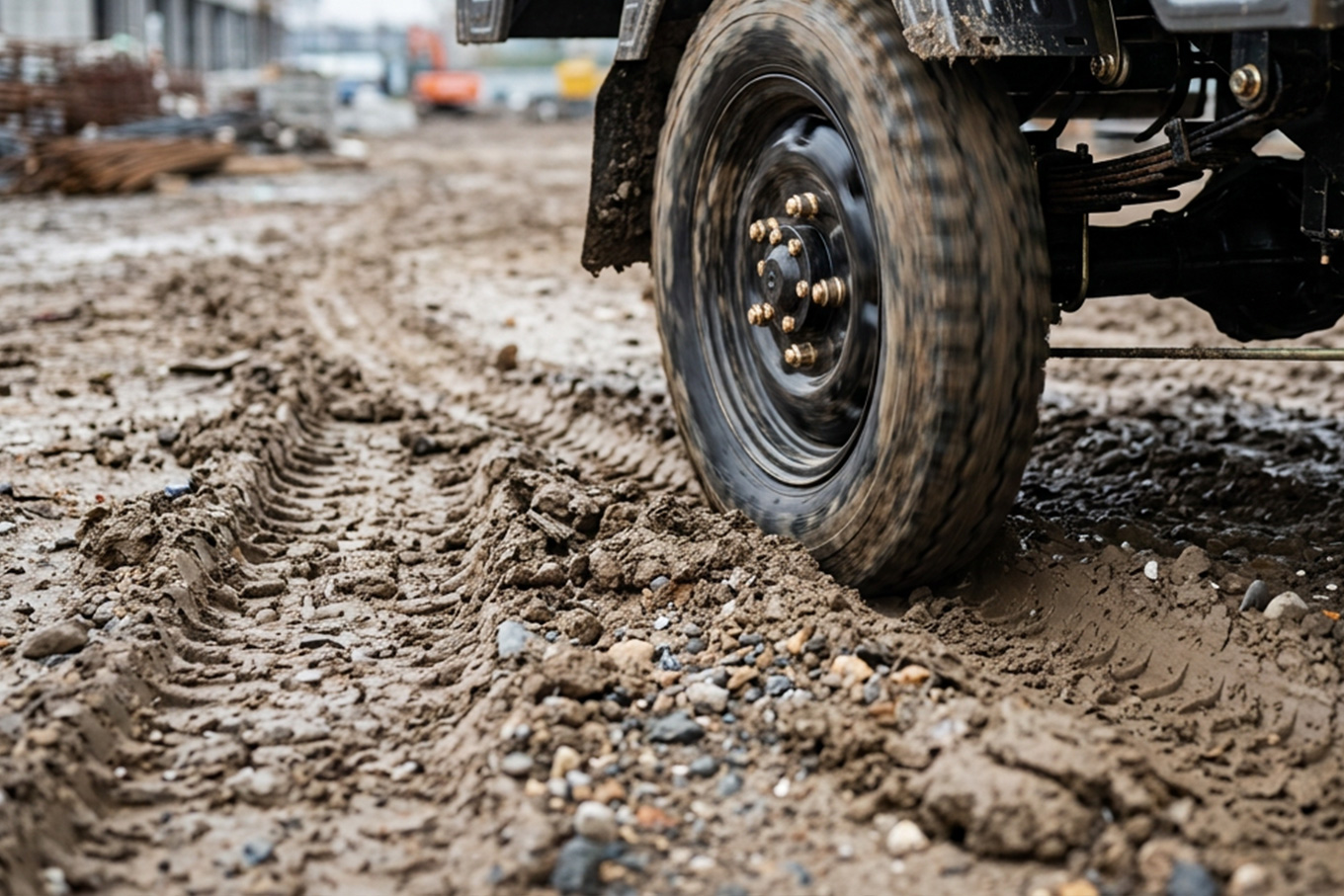
Rough ground, compacted mud, construction debris on access paths: the MOVE EVO handles all of it. It is built with heavy-duty suspension and ground clearance for off-road conditions. It is a different class from cheap flat-surface imports. If you want to see how it performs on ground similar to your own site, a test drive is the fastest way to find out.
How much can it carry, and how does that translate to real site loads?
The EVO II carries up to 750kg per run. The EVO II Pro carries up to 1,000kg. A 50kg cement bag means up to 15 bags per trip on the EVO II and 20 bags on the Pro. Steel bars, floor tiles, sand: the load rating holds for standard construction materials.
What happens when something goes wrong on site?
MOVE units are assembled in Nilai, Negeri Sembilan and covered by Malaysian after-sales support. In most cases, parts and service are available locally within days. For sites that have dealt with imported vehicles sitting idle for weeks waiting on overseas parts, this difference is real and it matters to your schedule.
Find out if it fits your compound
Tell us what you need to move, how far, and how many trips per day. We will help you work out whether an EVO makes sense for your operation.
Ready to see one in person? WhatsApp us at +6018-650 6061 or get in touch and we will help you work out what fits.