When Malaysia removed the universal diesel subsidy in June 2024, the diesel price Malaysia operators paid jumped from RM2.15 to RM3.35 per litre overnight. For household vehicles, this was painful. For household vehicles, this was painful. For operators running fleets of diesel vehicles on plantations, construction sites, and industrial compounds, it was a cost restructuring they had not planned for.
Two years on, unsubsidised diesel in Malaysia typically fluctuates between RM5.00 and RM5.50 per litre, with the exact price announced by the government every week. As of early October 2026, the retail price stands at RM5.27 per litre.
This article is for operators whose internal transport depends on diesel: moving fresh fruit bunches across an estate, shifting materials on a construction site, or running cargo routes inside a compound. If your operation runs on diesel, the numbers below are worth knowing.
How the Diesel Price Change in Malaysia Affected Estate Operations
Before June 2024, diesel in Peninsular Malaysia was subsidised for all users at RM2.15 per litre. The government’s June 2024 reform replaced that universal subsidy with a targeted system. Only certain sectors, including public transport operators, registered fishing boats, and some agricultural users, continue to receive assistance at RM2.10 per litre.
For estate and site operators who do not qualify for the targeted subsidy, the jump was immediate: from RM2.15 to RM3.35 in one week. Prices have continued moving since, reaching the RM5.00 to RM5.50 range by late 2026.
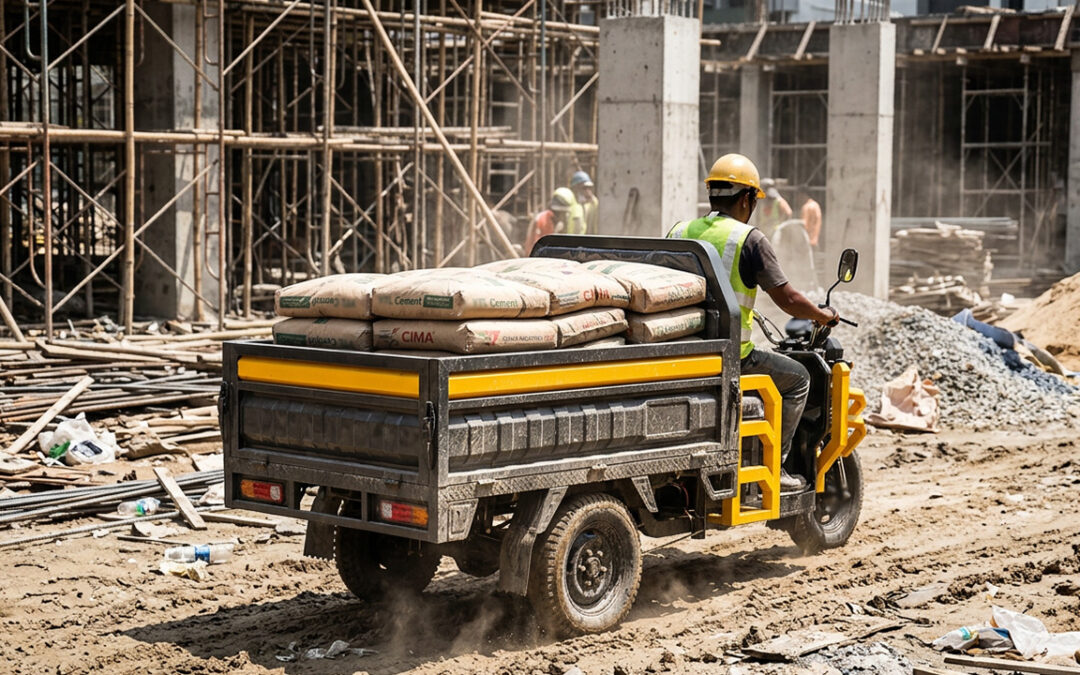
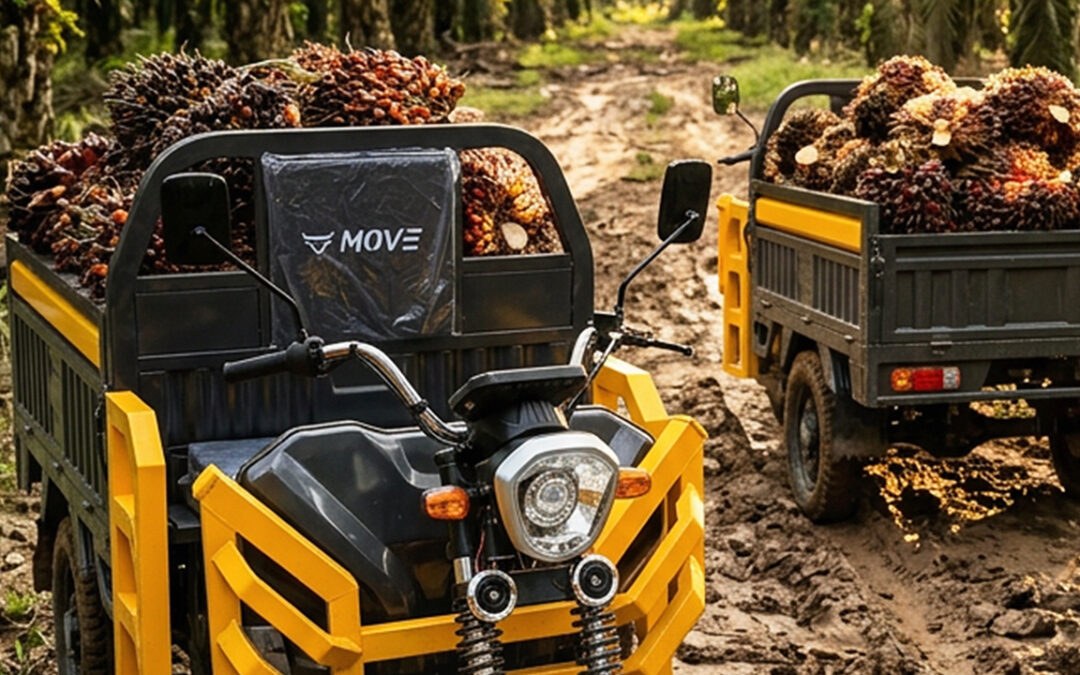
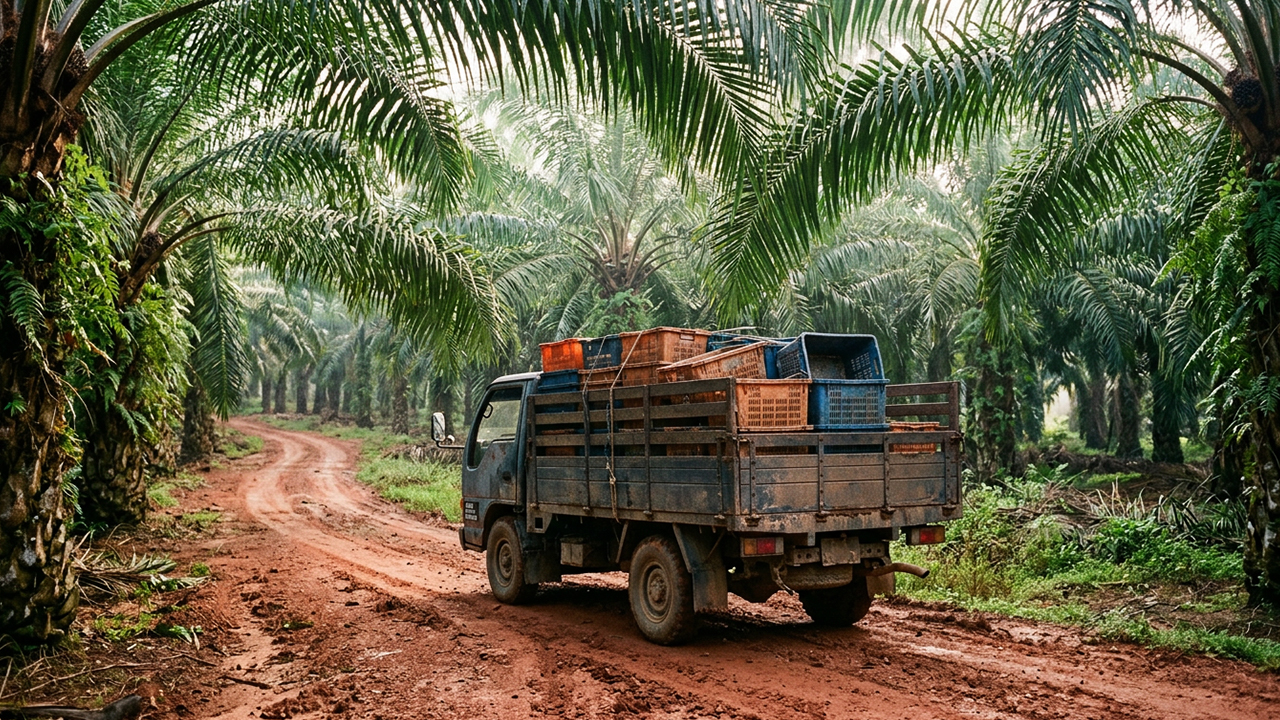
The difficulty for these operators is that internal transport vehicles are not optional. An oil palm estate needs vehicles to move fresh fruit bunches from the field to the collection point. A construction site needs cargo movement to keep the crew supplied. Cutting vehicles is not a straightforward option. It means cutting output or slowing work.
What Higher Diesel Costs in Malaysia Mean for Your Monthly Fuel Bill
The shift in diesel costs in Malaysia is most visible in the monthly fuel bill for internal transport vehicles. These vehicles are not highway runners. They do short, repetitive routes all day, which means fuel spend accumulates fast.
A rough estimate for a small estate with three light diesel cargo vehicles, each covering 30 to 40 kilometres of internal routes daily:
| Item | Before June 2024 (RM2.15) | Oct 2026 (RM5.27) |
|---|---|---|
| Fuel per vehicle per day | 4 to 6 litres | 4 to 6 litres |
| Daily fuel cost per vehicle | RM8.60 to RM12.90 | RM21.08 to RM31.62 |
| Monthly cost: 3 vehicles, 25 days | RM645 to RM968 | RM1,581 to RM2,371 |
The difference is RM936 to RM1,403 more per month for the same three vehicles doing the same routes. Across a year, that is between RM11,000 and RM17,000 in additional operating cost, before any further price increases.
This is before factoring in servicing, parts, and downtime.
How Operators Are Responding to Higher Fuel Costs
There is no single fix. Different operations have tried different approaches.
Tightening schedules
Some estates and sites have restructured transport so vehicles make fuller loads per trip rather than multiple partial runs. This works in operations where load timing is flexible, but harvest cycles and construction schedules do not always cooperate.
Reducing active vehicles
Consolidating to fewer units can lower the fuel bill but puts more stress on the remaining vehicles and creates a single point of failure if one breaks down mid-shift.
Reviewing what each vehicle actually does
In many operations, a closer look reveals that a significant portion of internal transport is short-distance, predictable, and repetitive. The same route. The same load. Every day. This is the category where the diesel cost question becomes a different conversation.
Where Electric Makes the Calculation Different
Short-distance internal transport is the use case where diesel vehicles are hardest to justify at current prices. A vehicle covering 20 to 40 kilometres of fixed internal routes is not getting the full utilisation that justifies a diesel drivetrain. It is doing the same work an electric cargo vehicle can do, for a fraction of the running cost.
The electric alternative removes the variable entirely. Instead of buying diesel at whatever the government announces this week, you are charging a battery at Malaysia’s commercial electricity tariff. That rate is set by policy, not by global crude prices. It does not change week to week.
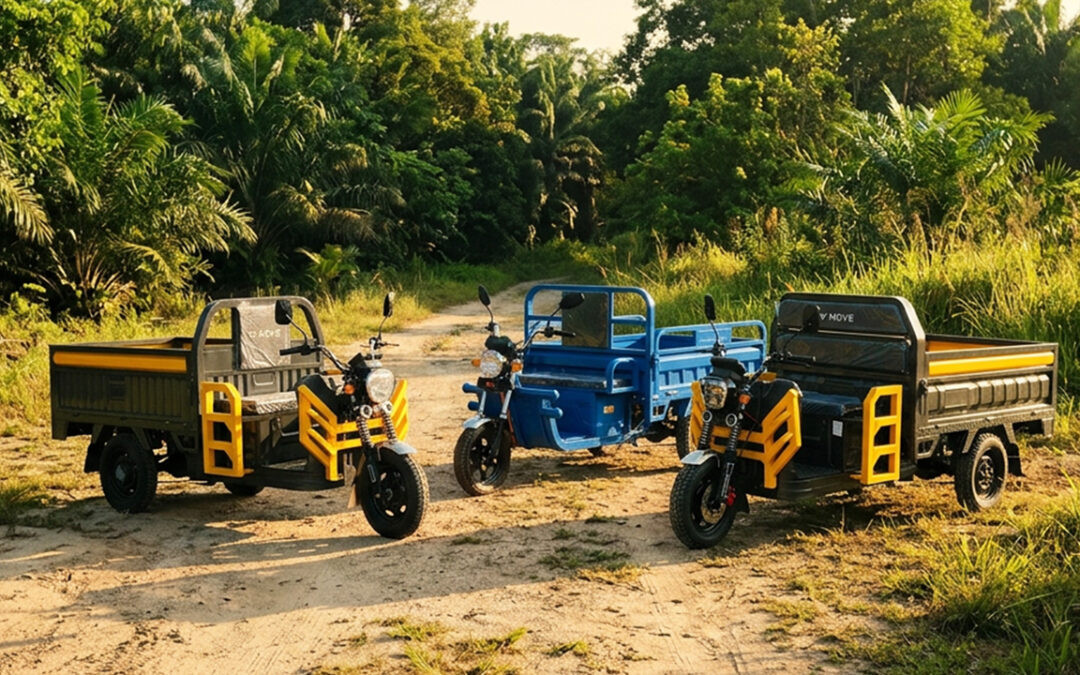
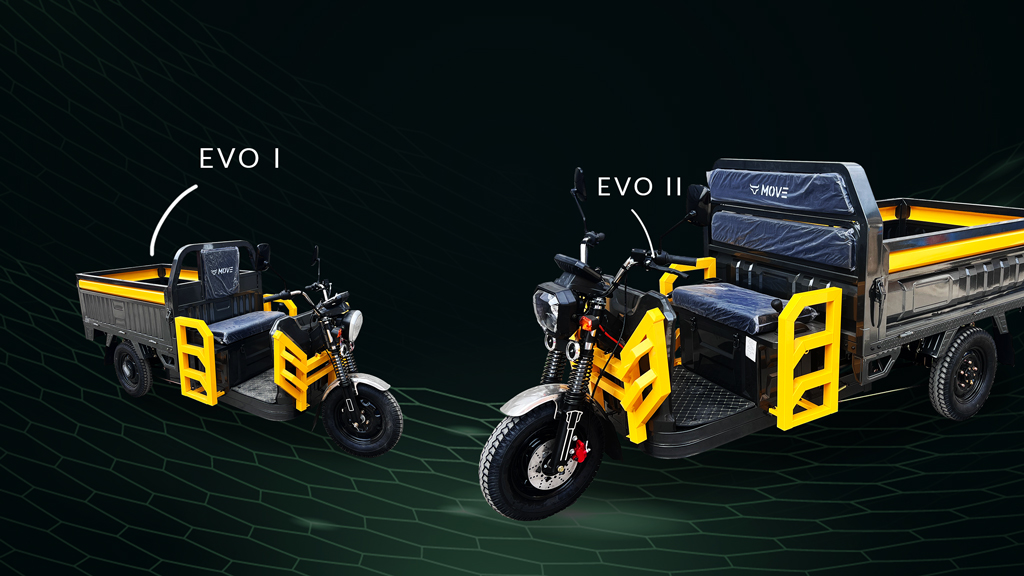
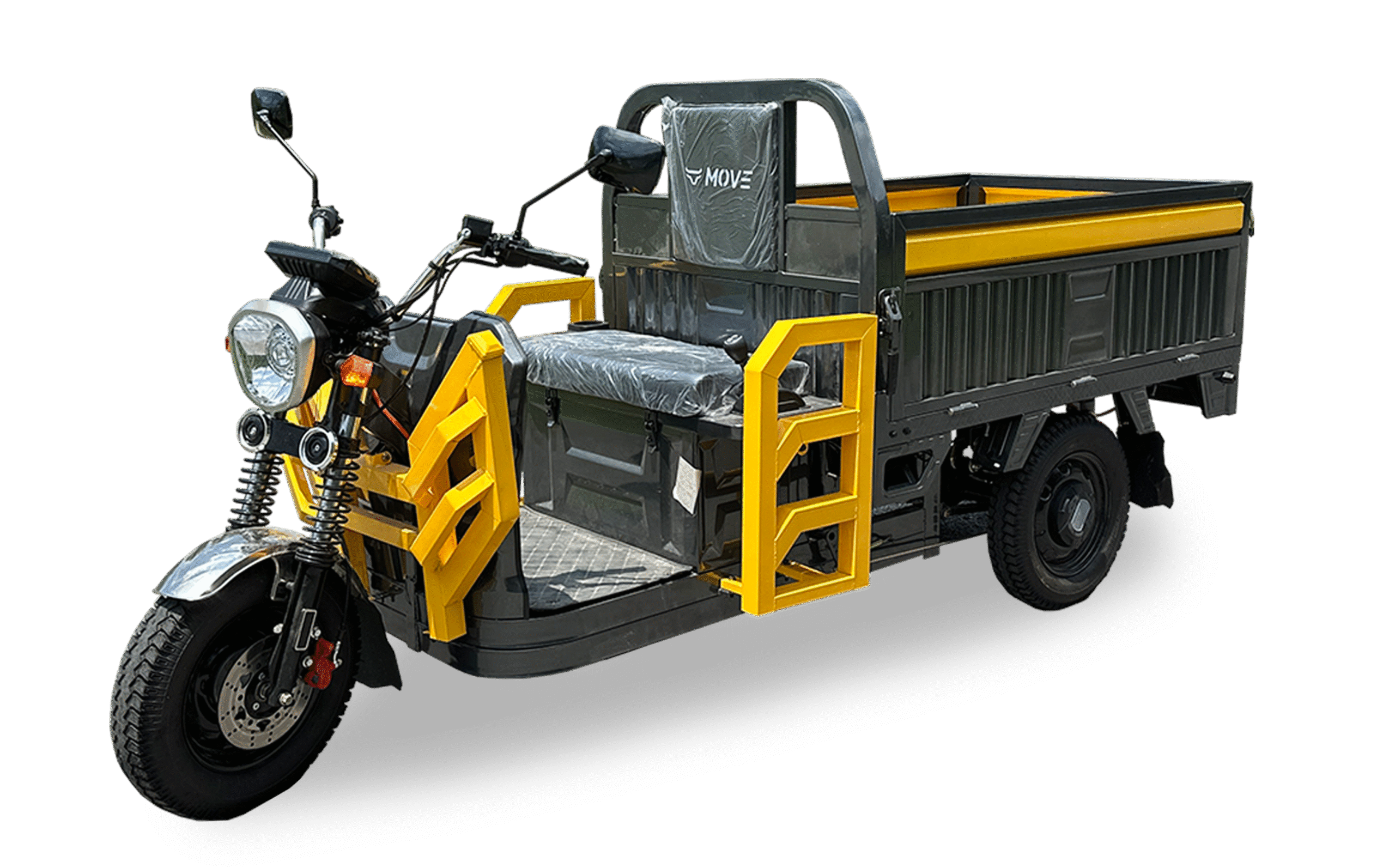
MOVE Motor assembles the EVO I and EVO II electric cargo tricycles at its facility in Nilai, Negeri Sembilan. Both are designed for the kind of work Malaysian estates and sites run day in, day out: carrying loads of 500 to 1,000 kilograms, on uneven terrain, in Malaysian heat and humidity. Parts are stocked locally. Service is handled from Nilai.
For operations that have not looked at electric cargo vehicles before, a test drive at the Nilai facility is available. WhatsApp +6018-650 6061 to arrange.
Frequently Asked Questions
What is the current diesel price in Malaysia?
As of early October 2026, unsubsidised retail diesel (B10/B15) is RM5.27 per litre in Peninsular Malaysia. The price is announced weekly by the government and typically fluctuates between RM5.00 and RM5.50 per litre. For the latest harga diesel Malaysia each week, check the paultan.org fuel price page.
Is this the same as RON95 or RON97 petrol prices?
No. Diesel (B10/B15) and petrol (RON95, RON97) are priced separately. Diesel is used in cargo vehicles, trucks, and most plantation and site transport. RON95 and RON97 are for passenger cars. As of October 2026, RON95 is RM4.67 per litre and RON97 is RM5.15 per litre.
Is there still a diesel subsidy for plantation and estate operators in Malaysia?
The universal retail diesel subsidy was removed in June 2024. Targeted subsidies remain for specific registered sectors at RM2.10 per litre. Check with KPDN or your industry association for current eligibility criteria for agricultural operators.
How does electricity cost compare to diesel for internal transport?
At RM5.27 per litre of diesel, running a light cargo vehicle on internal estate routes costs roughly RM21 to RM32 per vehicle per day in fuel. An electric cargo vehicle charged at Malaysia’s commercial electricity tariff (RM0.57/kWh) costs a fraction of that for the same routes. The more meaningful difference is stability: electricity tariffs do not move week to week.
Can electric cargo vehicles handle plantation terrain and load requirements?
Electric cargo tricycles built for industrial use carry 500 to 1,000 kilograms on uneven terrain. The best way to assess fit is a test under actual site conditions. MOVE Motor offers test drives at their Nilai facility. WhatsApp +6018-650 6061 to arrange.
Are there government incentives for switching to electric work vehicles in Malaysia?
The MyHIJAU green technology certification and green financing schemes are available for qualifying businesses. Your equipment supplier can provide product specifications for these applications.
Come to Nilai. See it work.
If your fuel bill has shifted significantly since June 2024, come to Nilai and see the EVO running under real conditions. Bring your load requirements and we can work out the monthly numbers together.
WhatsApp us at +6018-650 6061,whether it is a spec sheet, a site visit, or just a question.